
Thursday, June 25, 2026
AstraZeneca and YMCA agree five-year cancer care initiative
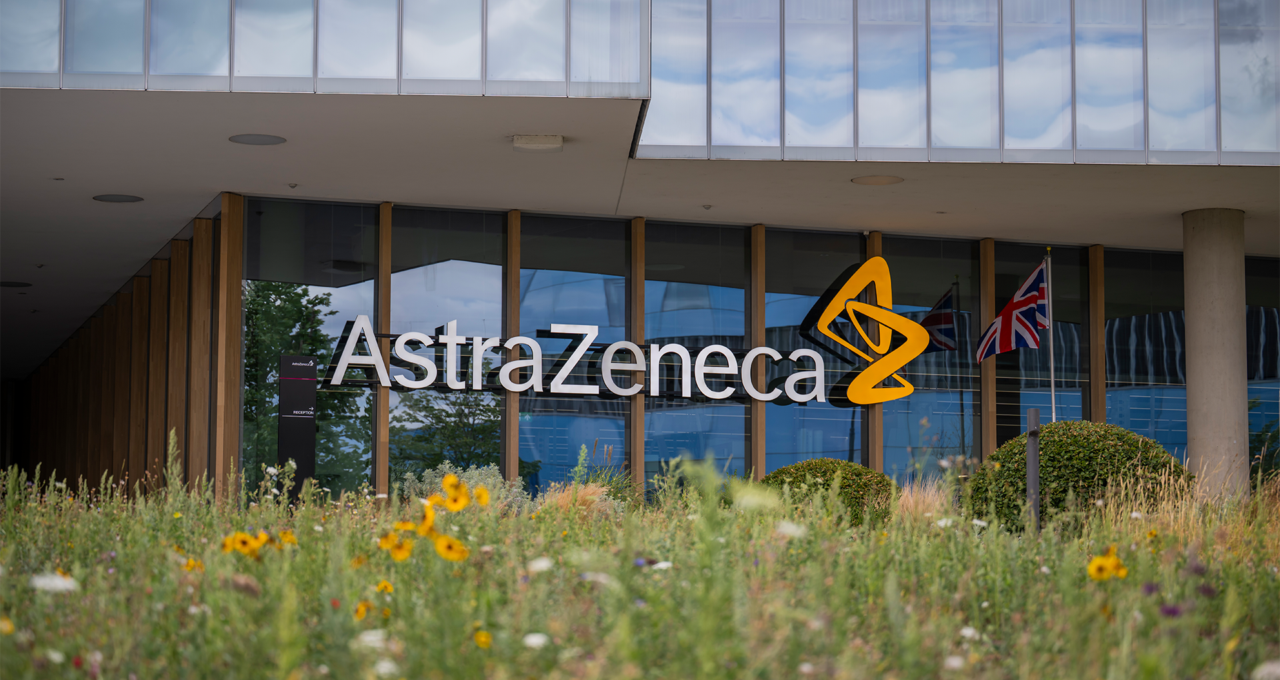
AstraZeneca and YMCA of the USA announced a five-year collaboration on 24 June 2026 at the Aspen Ideas: Health conference. The multimillion-dollar partnership will focus on cancer education, screening, early detection and support for people living with and after cancer.
During the first two years, the partners aim to reach about 175,000 people across 75 US communities. The initiative is expected to use locally tailored education activities to raise awareness of cancer screening and the value of earlier diagnosis.
Community reach as a central element
The collaboration brings together AstraZeneca’s oncology focus with the YMCA network’s presence in communities across the United States. According to the partners, the programme is intended to address gaps in awareness and access that can vary by location.
YMCA of the USA also plans to expand support for people navigating life during and after cancer. The organisation points to more than 15 years of experience with programmes designed to help survivors rebuild health and well-being.
Screening data underline the need
The announcement comes against a backdrop of mixed trends in US cancer care. A 2025 survey by the Prevent Cancer Foundation found that 51% of US adults aged 21 and older reported having a routine medical appointment or routine cancer screening in the previous year. That was 10 percentage points below the level reported in the 2024 survey.
The same survey found that 73% of respondents were more likely to schedule routine cancer screening after learning about the benefits of early detection. The American Cancer Society reports that the five-year survival rate for many cancers is close to 90% when the disease is found early.
Relevance for healthcare stakeholders
For AstraZeneca, the partnership fits within its broader oncology strategy. For YMCA of the USA, the emphasis is on implementation through local community settings. The agreement also illustrates how pharmaceutical companies are working with established non-profit networks to support prevention, early detection and survivorship beyond traditional care environments.
Related articles

LA-Med study shows broad media mix among specialists
The LA-Med Specialist Physician Study 2026 shows continued strong use of journals, alongside congresses, web research and AI tools.

NIM study: Longevity has yet to become an everyday priority
A NIM survey in five countries finds limited everyday adoption of longevity, while younger consumers show openness to new offers.

From Anonymous Clicks to Connected HCP Journeys: Why Integrated SSO Matters in Pharma Marketing

Snapchat adds multi-CTA ad format for pharma disclosure needs
Snapchat is adding a pharma ad format with up to three disclaimer CTAs for safety, patient and prescribing information in one unit.
NAD recommends changes to Sanofi Dupixent advertising
After Galderma’s challenge, NAD advised Sanofi to change selected Dupixent advertising claims on clearer skin and itch relief.

Bübchen continues Supersanft baby care campaign
Bübchen and Antoni Soap continue the Supersanft campaign, highlighting product benefits across social media and Connected TV in Germany.
Hansaplast expands global social media strategy
Hansaplast is reshaping global social media. Charles & Charlotte will lead strategy and execution for the wound care brand in 17 markets.

ViiV Healthcare launches HIV prevention and treatment campaign
ViiV Healthcare has launched “Do It For Future You,” a multichannel campaign on long-acting HIV prevention and treatment options.