
Thursday, August 6, 2026
Johnson & Johnson launches MONARCH platform in the Middle East
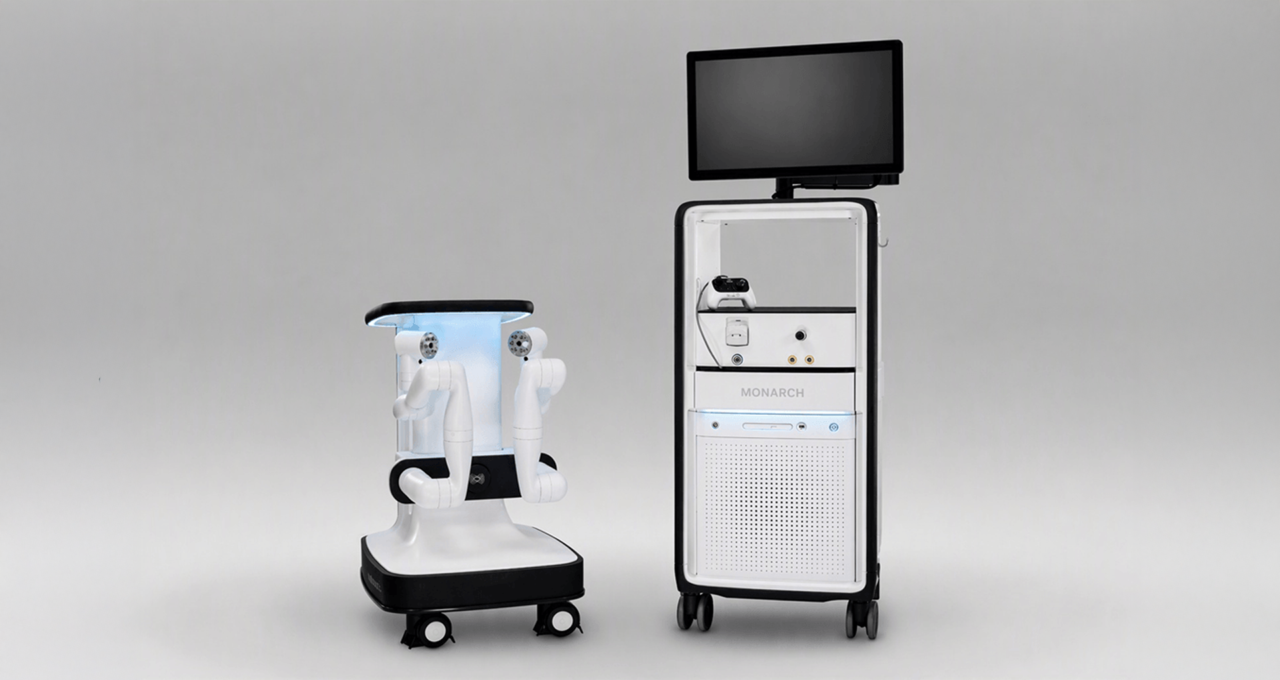
Johnson & Johnson has announced the first robotically assisted bronchoscopy case using the MONARCH platform in the Middle East. The procedure was performed at Cleveland Clinic Abu Dhabi in the United Arab Emirates and, according to the company, introduces robotic bronchoscopy to the region.
The case also represented the first regional clinical use of MONARCH QUEST. The navigation technology uses AI-enabled algorithms, is designed to support the user experience and can integrate with a range of mobile and fixed advanced imaging systems.
Earlier lung cancer diagnosis in focus
Johnson & Johnson presents the platform as a minimally invasive option to help clinicians access and evaluate suspicious lung nodules. Peripheral lung lesions can be difficult to reach with conventional bronchoscopy approaches. The company notes that nearly half of early-stage lesions are located in the periphery of the lung.
Timing remains central in lung cancer care. Based on figures cited by the company, up to 90 percent of people diagnosed at an early stage survive at least five years. When lung cancer is diagnosed at a late stage, five-year survival can be below 10 percent.
AI navigation and digital ecosystem
MONARCH QUEST adds enhanced navigation to the platform using intraprocedural 3D imaging data. The digital capabilities now cover preoperative planning as well as AI-enabled navigation during the procedure.
The MONARCH platform is also set to become part of Johnson & Johnson’s Polyphonic digital ecosystem, which is intended to connect data across surgical technologies, robotics and surgical software.
In the United States, Johnson & Johnson states that the MONARCH bronchoscope, platform and accessories are intended to provide bronchoscopic visualization of and access to patient airways for diagnostic and therapeutic procedures. Potential bronchoscopy complications include breathing difficulty, infection, bleeding at the biopsy site and low blood oxygen, while more serious complications can include collapsed lung, respiratory failure or cardiac arrhythmia.
Related articles

HAL Allergy and InfectoPharm partner on ENT DiGAs
HAL Allergy and InfectoPharm have formed a multi-year DiGA partnership. The first focus is Meine Tinnitus App for ENT practices in Germany.

SBK calls for digital appointment management in healthcare
A YouGov survey for SBK highlights demand for digital appointment access. The insurer has integrated 116117 into its app.

Ads in ChatGPT: What pharma marketers need to know
OpenAI plans ads in ChatGPT. Pharma marketers may gain new HCP and awareness options, but privacy and policy limits are central.
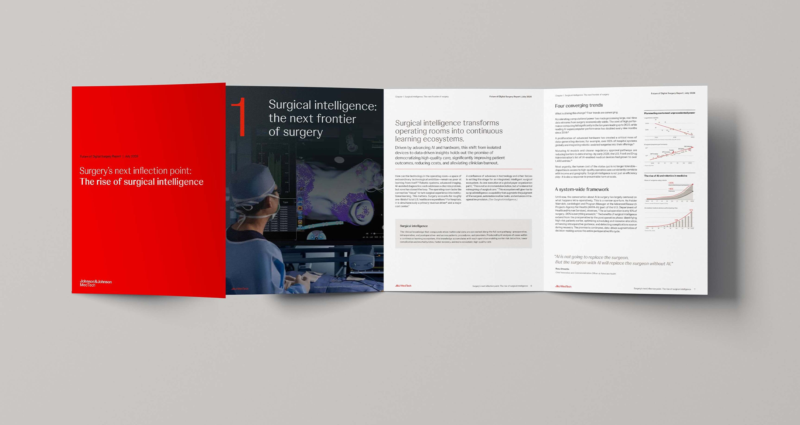
Johnson & Johnson publishes report on surgical intelligence
Johnson & Johnson’s new report outlines how connected data, AI and governance could shape the next stage of digital surgery.

From Anonymous Clicks to Connected HCP Journeys: Why Integrated SSO Matters in Pharma Marketing
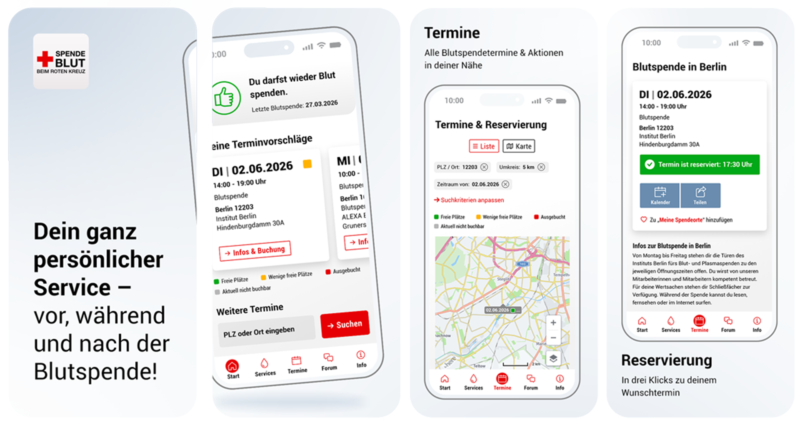
German Red Cross blood donation services present digital donor service 2.0
The German Red Cross blood donation services have introduced donor service 2.0, a digital tool designed to support blood donors.

Nia Health and AbbVie Germany collaborate on AI-supported atopic dermatitis care
Nia Health and AbbVie Germany are collaborating on an AI-supported care offering for atopic dermatitis patients and treating physicians.
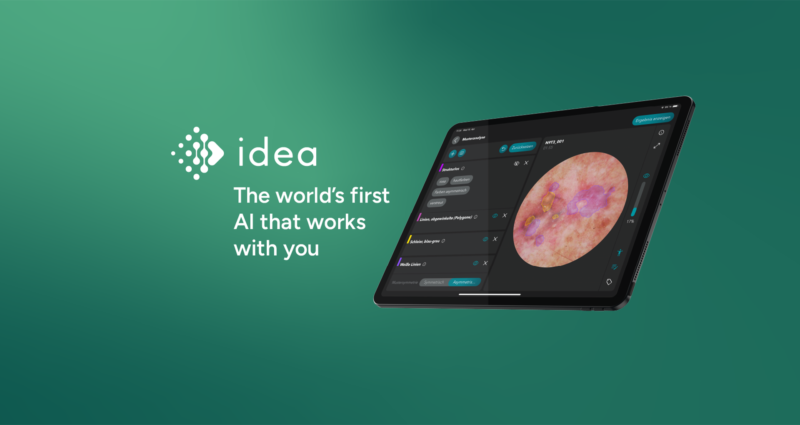
Magnosco presents AI assistant for skin cancer diagnostics
Magnosco has developed idea®, an AI tool for dermatoscopy, and is preparing CE certification as a class IIa medical device.