
Wednesday, September 30, 2026
Alnylam highlights Amvuttra through ATTR-CM patient story
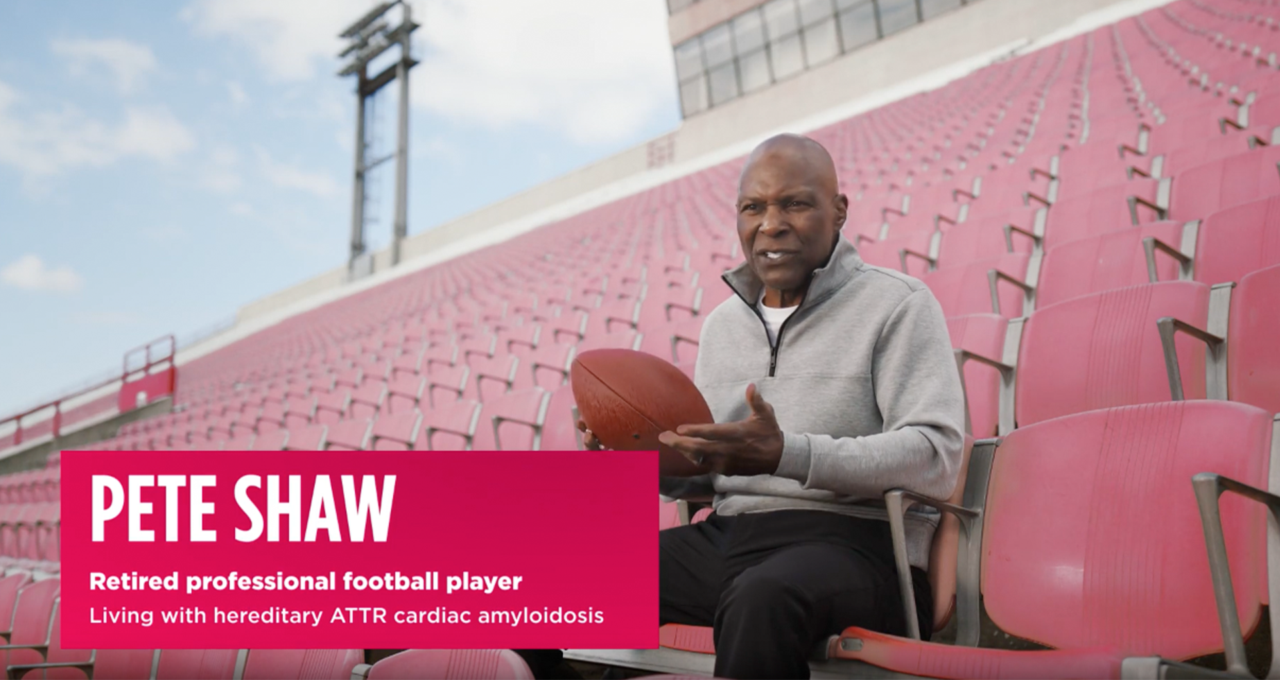
Alnylam is presenting Amvuttra (vutrisiran) in a US patient communication format called “Play by Play”. The campaign centers on Pete Shaw, a former professional football player living with ATTR cardiomyopathy. The content combines personal storytelling with disease education, treatment information and safety messaging.
The format also features Shaw’s wife and caregiver, Kari, and his cardiologist, Dr. Mohan. Alnylam states that Shaw and Dr. Mohan were compensated for taking part. That disclosure is important for assessing the material as branded patient communication.
A patient story for a complex rare disease
The website describes ATTR amyloidosis as a progressive disease in which transthyretin misfolds and can form deposits in organs and tissues. In ATTR-CM, the heart is a key site of involvement. The campaign also notes that symptoms may appear in other parts of the body before a cardiac diagnosis is made, including musculoskeletal problems.
Shaw’s story is used to illustrate the path from initially unclear symptoms to cardiology evaluation and treatment. The tone is patient-focused, while the structure remains closely tied to brand and disease education. For pharma marketers, the notable element is the mix of testimonial, caregiver perspective and physician explanation.
How Amvuttra is positioned
The materials describe Amvuttra as a prescription medicine for adults with cardiomyopathy of wild-type or hereditary transthyretin-mediated amyloidosis, intended to reduce heart-related death, hospital stays and urgent visits. It is also listed for adults with polyneuropathy caused by hereditary transthyretin-mediated amyloidosis.
The treatment is administered by a healthcare professional once every three months as a subcutaneous injection. Alnylam presents Amvuttra as a TTR silencer that acts in the liver to reduce transthyretin production. The site also emphasizes a dosing schedule of four injections per year.
Safety information remains central
The campaign includes extensive safety information. A key warning is that Amvuttra can lower vitamin A levels. Patients are advised in the material to take the vitamin A supplement recommended by their doctor and not to exceed that amount.
Low vitamin A levels may affect vision, including night vision. The most commonly listed side effects include pain in the arms or legs, joint pain, shortness of breath and low vitamin A levels. The materials also direct patients to report adverse events to the US Food and Drug Administration.
What it means for pharma communication
“Play by Play” shows how manufacturers can combine emotional storytelling with explanatory content in rare disease communication. The campaign addresses patients, caregivers and the broader care environment. At the same time, the messaging remains anchored in indication, administration and risk information.
From a B2B perspective, the execution is an example of how patient experience, disease awareness and brand positioning can be brought together in a digital format. The use of a former professional athlete adds recognition value, while the physician perspective gives the disease and treatment narrative additional structure.
Related articles
KBV launches vaccination campaign for medical practices
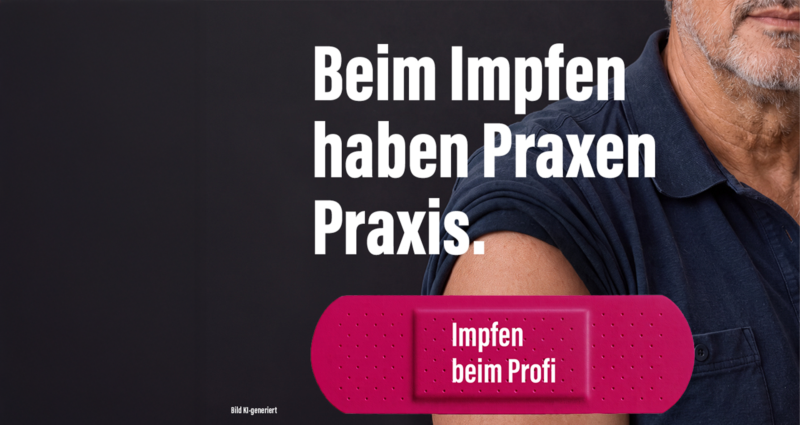
KBV and regional physician associations will launch a vaccination campaign on 1 October, with free materials available for practices.

Merck launches HIV initiative for whole person care
Merck has launched a multi-year HIV education program in the U.S. to help people build personal networks for whole person care.
Almirall launches film-led awareness campaign on atopic dermatitis
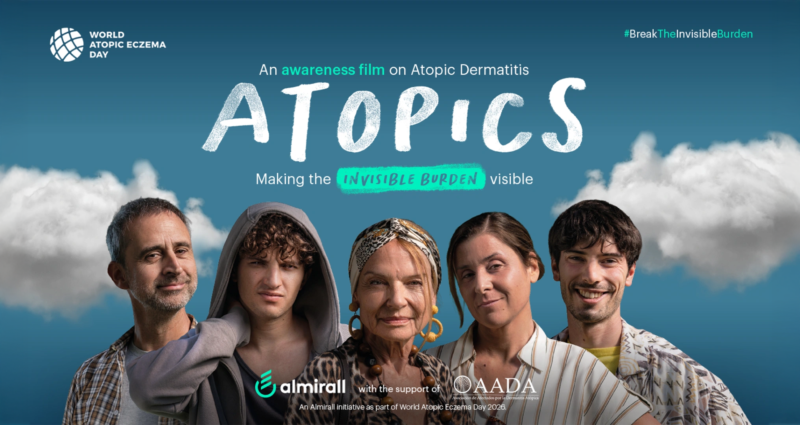
Almirall launches #ATOPIKER, a 60-minute awareness film designed to highlight the wider burden of atopic dermatitis.

ABDA launches new image campaign for local pharmacies
ABDA has launched a nationwide image campaign for local pharmacies and introduced a central online platform for patient information.
AbbVie named official pharmaceutical sponsor of PGA TOUR
AbbVie becomes official pharmaceutical sponsor of the PGA TOUR and launches Birdies for Brain Health to support brain health advocacy.
Novo Nordisk adopts Novo name in global rebrand
Novo Nordisk is adopting Novo as its everyday name in a global rebrand and updating its corporate culture with The Novo Way.

Sanofi launches COVID-19 campaign with USA Pickleball
Sanofi and USA Pickleball launch a US campaign to educate older adults about COVID-19 risks and the vaccine NUVAXOVID.

UCB presents epilepsy art initiative at EEC 2026
UCB launched Expressing Epilepsy at the European Epilepsy Congress in Athens, presenting works by three artists living with epilepsy.