

Thursday, August 20, 2026
NIM study: Longevity has yet to become an everyday priority
Longevity is attracting strong attention in research, start-ups and health-related product development. For many consumers, however, extending the number of healthy years is not yet a dominant factor in everyday decision-making. This is the central finding of an international survey by the Nuremberg Institute for Market Decisions, NIM.
The survey covered Germany, France, Sweden, Japan and the United States. According to NIM, the results point to a nuanced market situation. Longevity has visibility and future potential, but it is not yet a broadly established social trend. Younger respondents are particularly open to new products and medical applications.
Desired age only moderately exceeds life expectancy
In most of the countries studied, respondents said they would like to live longer than current life expectancy at birth suggests. Japan was the exception. Overall, the gap is smaller than the public debate around longevity might imply.
In Germany, the average desired age is 85.6 years, compared with a recent life expectancy at birth of 81.4 years. The gap is widest in the United States. There, respondents would like to reach an average age of 87.9 years, while life expectancy at birth stands at 79.3 years.
Enjoyment outweighs strict self-denial
The study also indicates that many people do not associate healthy ageing with a highly restrictive lifestyle. In Germany, 53 percent say they mainly want to live in the present, enjoy life and avoid too many limitations. By contrast, 22 percent describe themselves as very disciplined and willing to give things up in order to live a long and healthy life.
NIM reports a similar pattern across the other surveyed countries. In none of the socio-demographic groups examined does a majority clearly prefer self-denial over enjoyment.
Health routines are already common
At the same time, several behaviours linked to healthy ageing are already widely established in Germany. 59 percent of respondents say they exercise regularly. 65 percent pay attention to good sleep, and 64 percent maintain their social contacts. These figures are high in international comparison.
The study does not suggest that these routines are necessarily driven by an explicit longevity objective. For healthcare and life science companies, however, the findings indicate that health-oriented behaviour is already embedded in many everyday routines.
New medical applications still have limited reach
The picture is different for newer medical and technology-based longevity applications. Epigenetic ageing tests, dedicated longevity services, and cell and gene therapies are currently used only by small minorities. In Germany, however, 26 to 33 percent, depending on the application, say they could imagine using such services in the future. In the United States, openness is higher, at 35 to 44 percent.
Across countries, younger people are considerably more receptive to these offers than older generations. This suggests future market potential, even though current uptake remains limited.
The study cites newer medical treatments such as weight-loss injections as one example. In Germany, 12 percent report having used such treatments, while another 27 percent could imagine doing so. In the United States, the corresponding shares are 17 percent for current or past use and 35 percent for potential future use.
Additional healthy years would be used mainly for private life
When asked how they would use additional healthy years in later life, respondents mainly named family and friends, travel, and new experiences. Work, education and civic engagement play a much smaller role.
This pattern is particularly pronounced in Germany. Only 9 percent of German respondents would use additional healthy years to stay in work longer. That is the lowest figure among the five countries surveyed.
Study design
NIM conducted the survey from 13 to 19 May 2026 via NIQ eBUS International. A total of 5,000 people aged 18 to 74 took part. Each country sample comprised 1,000 respondents and was representative of the resident population in that age group in Germany, France, Sweden, Japan and the United States.
Related articles

From Anonymous Clicks to Connected HCP Journeys: Why Integrated SSO Matters in Pharma Marketing
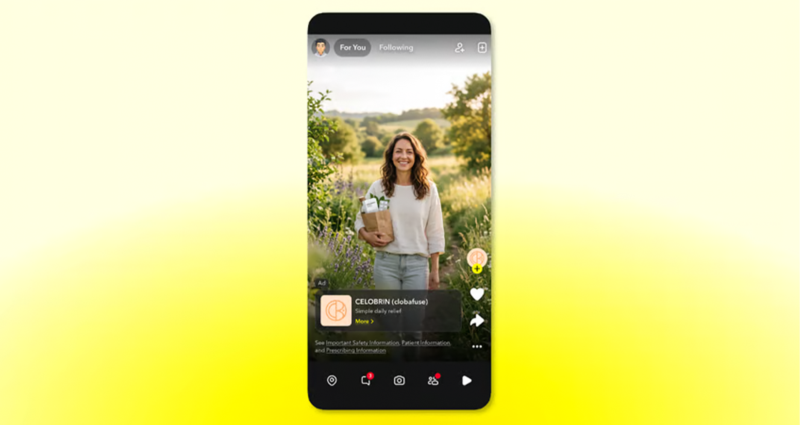
Snapchat adds multi-CTA ad format for pharma disclosure needs
Snapchat is adding a pharma ad format with up to three disclaimer CTAs for safety, patient and prescribing information in one unit.
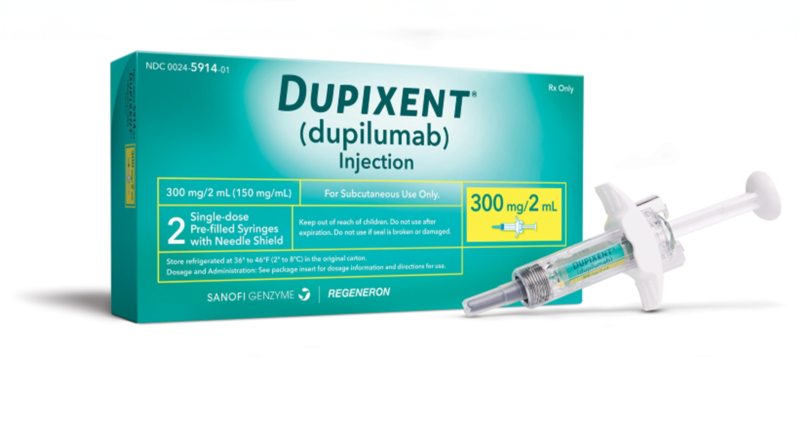
NAD recommends changes to Sanofi Dupixent advertising
After Galderma’s challenge, NAD advised Sanofi to change selected Dupixent advertising claims on clearer skin and itch relief.

Bübchen continues Supersanft baby care campaign
Bübchen and Antoni Soap continue the Supersanft campaign, highlighting product benefits across social media and Connected TV in Germany.
Hansaplast expands global social media strategy
Hansaplast is reshaping global social media. Charles & Charlotte will lead strategy and execution for the wound care brand in 17 markets.

ViiV Healthcare launches HIV prevention and treatment campaign
ViiV Healthcare has launched “Do It For Future You,” a multichannel campaign on long-acting HIV prevention and treatment options.
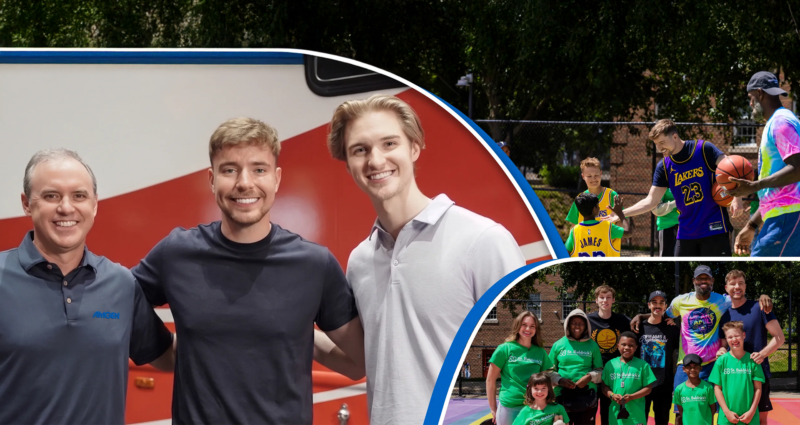
MrBeast, Stand Up To Cancer and Amgen back pediatric cancer research
Beast Philanthropy, Stand Up To Cancer and Amgen launched a global initiative to support pediatric cancer research.
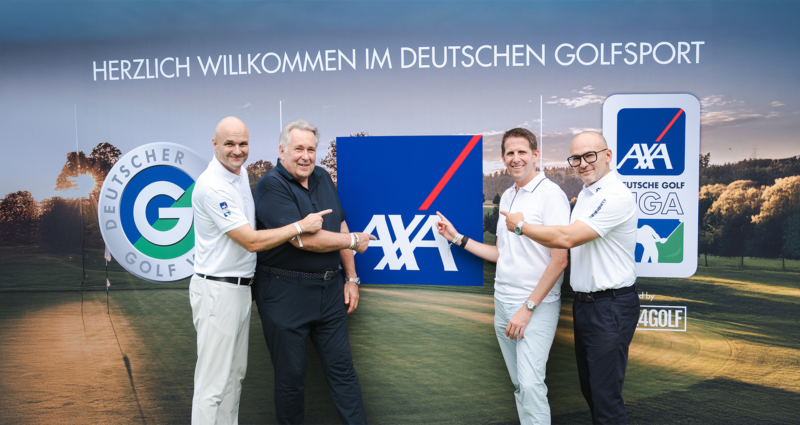
AXA to become title partner of German Golf League in 2027
AXA will become title partner of the German Golf League in 2027. The agreement with DGV and DGS is initially set through 2029.