

Monday, September 28, 2026
Thieme plans to acquire Relias Learning
Thieme Group plans to acquire Relias Learning, a provider of digital education solutions for the care sector, from Bertelsmann Education Group. The parties have signed the agreements, while completion remains subject to antitrust approval.
According to the companies, integration is expected to start once regulatory clearance has been granted. Thieme expects this process to begin within six to eight weeks.
Strengthening digital education in care
The transaction is intended to expand Thieme’s portfolio for care providers. Relias is currently used in more than 3000 small and medium-sized institutions across German-speaking markets. Its customers include elderly care and social care organisations as well as medical practices, medical care centres and hospitals.
Thieme plans to combine the Relias platform with existing offerings such as CNE and I care Plus. The focus is on digital learning content, training management and compliance processes for health and social care organisations.
Relias brand to remain for now
Around 60 employees in Berlin, Schwerin and Hanover are expected to move to Thieme as part of the acquisition. Thieme did not disclose the purchase price.
The Relias brand is set to continue in German-speaking markets initially. Over a period of 12 to 36 months, the products are planned to be gradually transferred into the Thieme brand.
Following the sale of its German-speaking business, Relias intends to focus within Bertelsmann Education Group on its home market in the United States.
Reaching care professionals
Thieme says the two companies together already reach around one million of Germany’s 1.8 million professional carers. By combining their offerings, the companies aim to improve access to professional education and support institutions with qualification and organisational processes.
Thieme points to the shortage of care professionals as a strategic driver. According to the company, Germany currently lacks around 200,000 care workers, with the gap potentially rising to as many as 600,000 by 2030.
Related articles
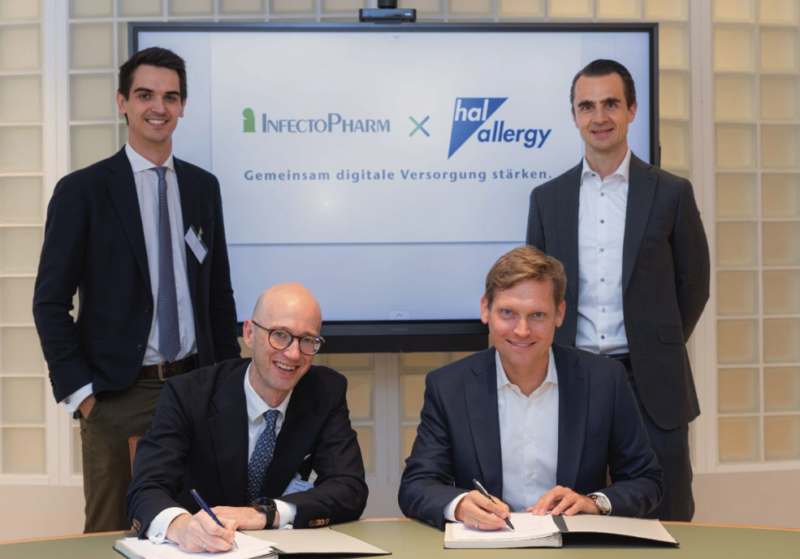
HAL Allergy and InfectoPharm partner on ENT DiGAs
HAL Allergy and InfectoPharm have formed a multi-year DiGA partnership. The first focus is Meine Tinnitus App for ENT practices in Germany.

SBK calls for digital appointment management in healthcare
A YouGov survey for SBK highlights demand for digital appointment access. The insurer has integrated 116117 into its app.

Ads in ChatGPT: What pharma marketers need to know
OpenAI plans ads in ChatGPT. Pharma marketers may gain new HCP and awareness options, but privacy and policy limits are central.
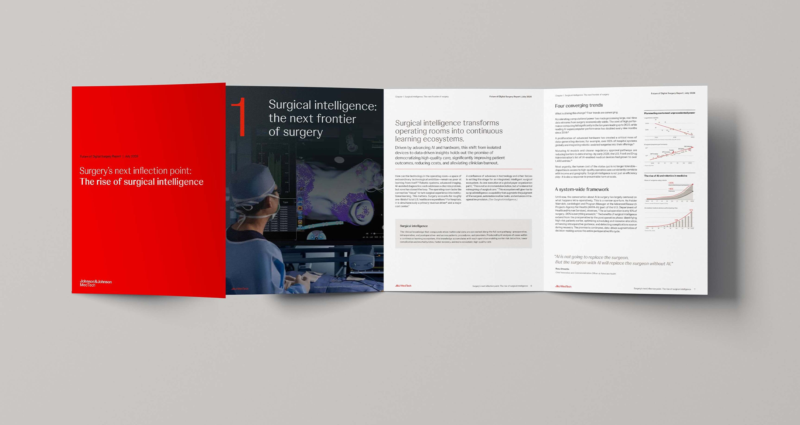
Johnson & Johnson publishes report on surgical intelligence
Johnson & Johnson’s new report outlines how connected data, AI and governance could shape the next stage of digital surgery.

From Anonymous Clicks to Connected HCP Journeys: Why Integrated SSO Matters in Pharma Marketing
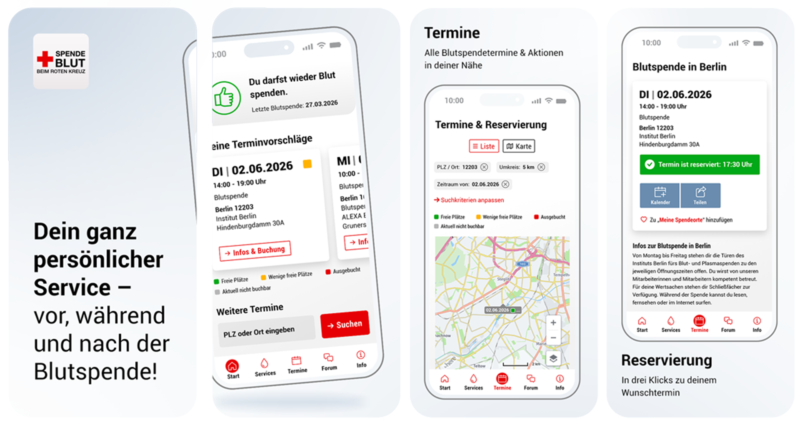
German Red Cross blood donation services present digital donor service 2.0
The German Red Cross blood donation services have introduced donor service 2.0, a digital tool designed to support blood donors.
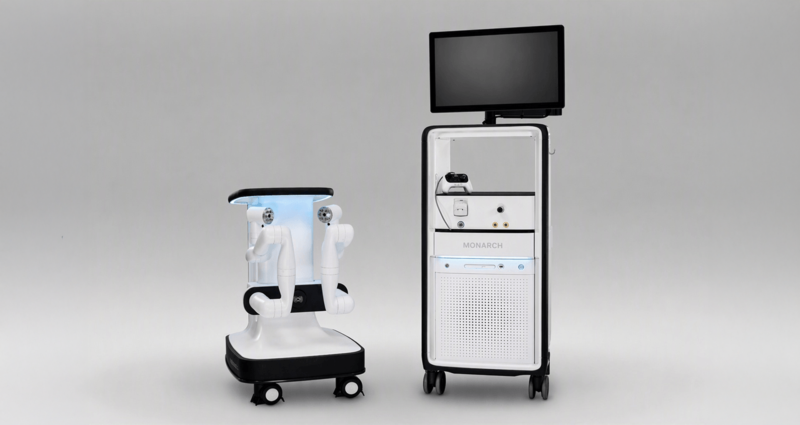
Johnson & Johnson launches MONARCH platform in the Middle East
Johnson & Johnson reports the first Middle East use of its MONARCH platform for robotically assisted bronchoscopy at Cleveland Clinic Abu Dhabi.
Nia Health and AbbVie Germany collaborate on AI-supported atopic dermatitis care
Nia Health and AbbVie Germany are collaborating on an AI-supported care offering for atopic dermatitis patients and treating physicians.