
Monday, December 1, 2025
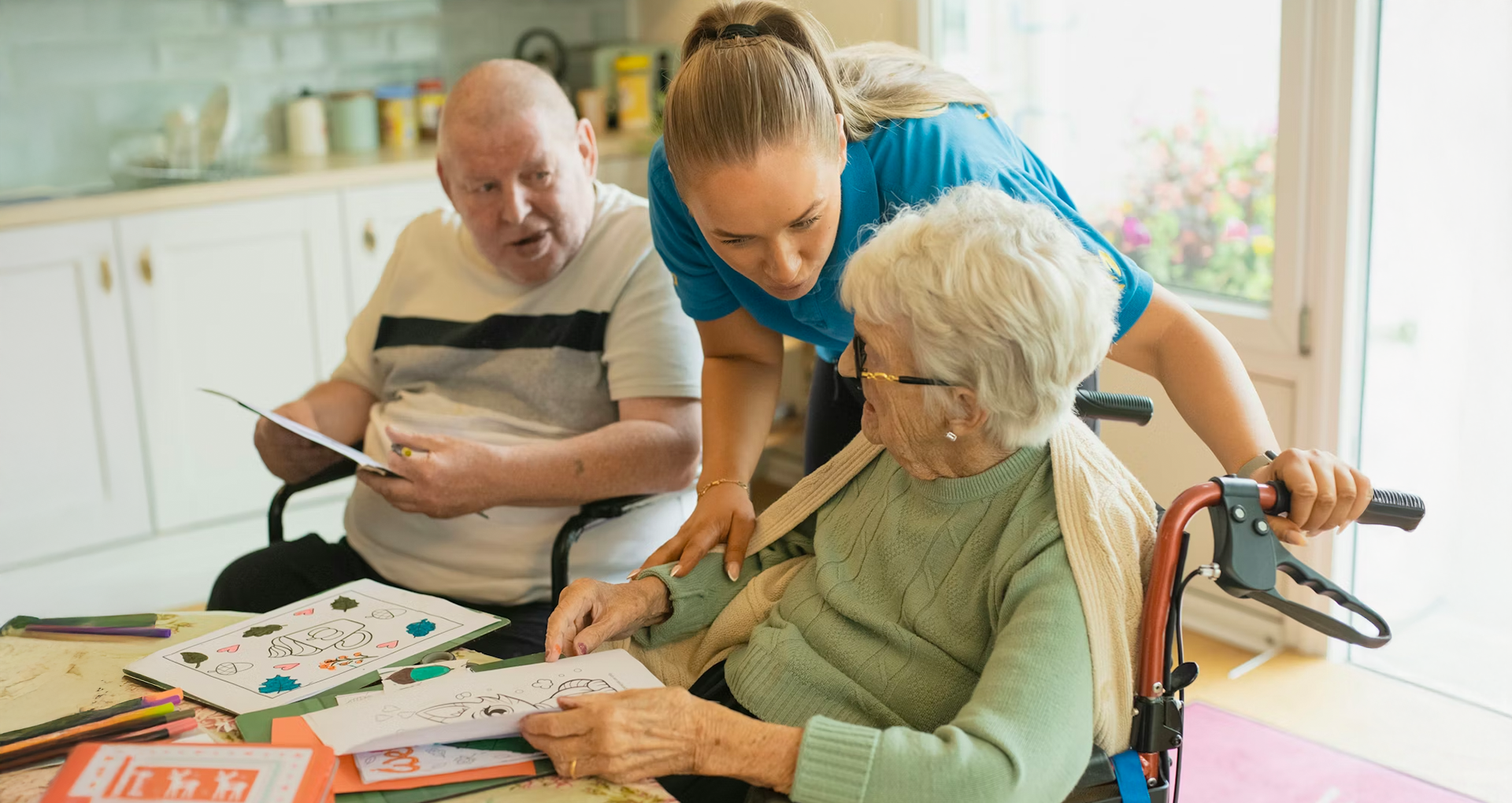
Only One in Ten Expects Good Care – Strong Public Support for a Citizens’ Long-Term Care Insurance
The German population is losing confidence in the long-term care system, according to a recent Civey survey commissioned by the German Social Association (SoVD). Nearly two-thirds of respondents expect inadequate care when they become dependent, while only around one in ten anticipates good support. Women (70.6 percent) and people aged 40 to 49 (79.7 percent) are particularly pessimistic. Many of them already shoulder extensive private caregiving responsibilities or belong to the so-called “sandwich generation,” caring for relatives while worrying about their own future care.
SoVD Chairwoman Michaela Engelmeier attributes the low expectations to years of political inaction and ongoing austerity debates. This has resulted in a profound loss of trust in long-term care policy.
Broad Support for a Citizens’ Long-Term Care Insurance
The survey sends a clear message to policymakers: Around 80 percent of the population supports a solidarity-based long-term care insurance system that includes all citizens, regardless of employment status. Support is notable among groups traditionally benefiting from the dual system: Approximately 42 percent of civil servants and more than 69 percent of self-employed individuals view the concept positively. For the SoVD, this represents a strong mandate. The organization has long called for a fair and comprehensive citizens’ long-term care insurance that protects care risks in a socially equitable way.
Family Caregivers Demand Real Relief
Nearly 80 percent of family caregivers consider current government support insufficient. This is particularly significant because roughly 86 percent of people in need of care in Germany are supported at home—mostly by relatives facing intense physical, emotional, and financial strain. The SoVD therefore urges concrete improvements, such as expanding day and respite care services, introducing compensated caregiving leave similar to parental benefits, and strengthening pension rights for caregivers.
Engelmeier emphasizes: Family caregivers need real relief, not political promises.
Related articles

More Responsibility for Health: Majority Calls for “Health” as a School Subject
A representative survey shows that the majority of people in Germany want to take active responsibility for their health – but are calling for more knowledge and a dedicated school subject on health.

HSV Takes a Stand for ME/CFS
During their home match against VfB Stuttgart, HSV put the spotlight on ME/CFS. Together with “Empty Stands”, the club sent a strong message for visibility and solidarity.

Maria Clementine Martin Award 2026 Launched
To mark its 200th anniversary, the Klosterfrau Group will present the Maria Clementine Martin Award 2026 to visionary female founders shaping the future of healthcare.
Advertising Market 2026: Germany Faces Another Year of Stagnation
According to the latest JOM forecast, the German advertising market is expected to see almost no growth in 2026. Digital platforms continue to accelerate the structural shift.

Adapt – or Die! CMOs Bet on AI in 2026
AI becomes the defining leadership priority for marketing in 2026. The new CMO Barometer reveals how artificial intelligence reshapes roles, systems, and decision-making.

New Website “Life with Glioma” Launched
With “Life with Glioma,” Servier Germany introduces a new, science-based information platform for individuals affected by low-grade, IDH-mutated gliomas. The website provides guidance from diagnosis through follow-up care.

“Plan B from Now On”: New Podcast Supports Families of Seriously Ill Children
The new podcast “Plan B from Now On” accompanies families with seriously ill or disabled children and sheds light on their daily challenges, their strength, and the need for greater societal support. Hosted by Katrin Eigendorf and Dr. Eckart von Hirschhausen.
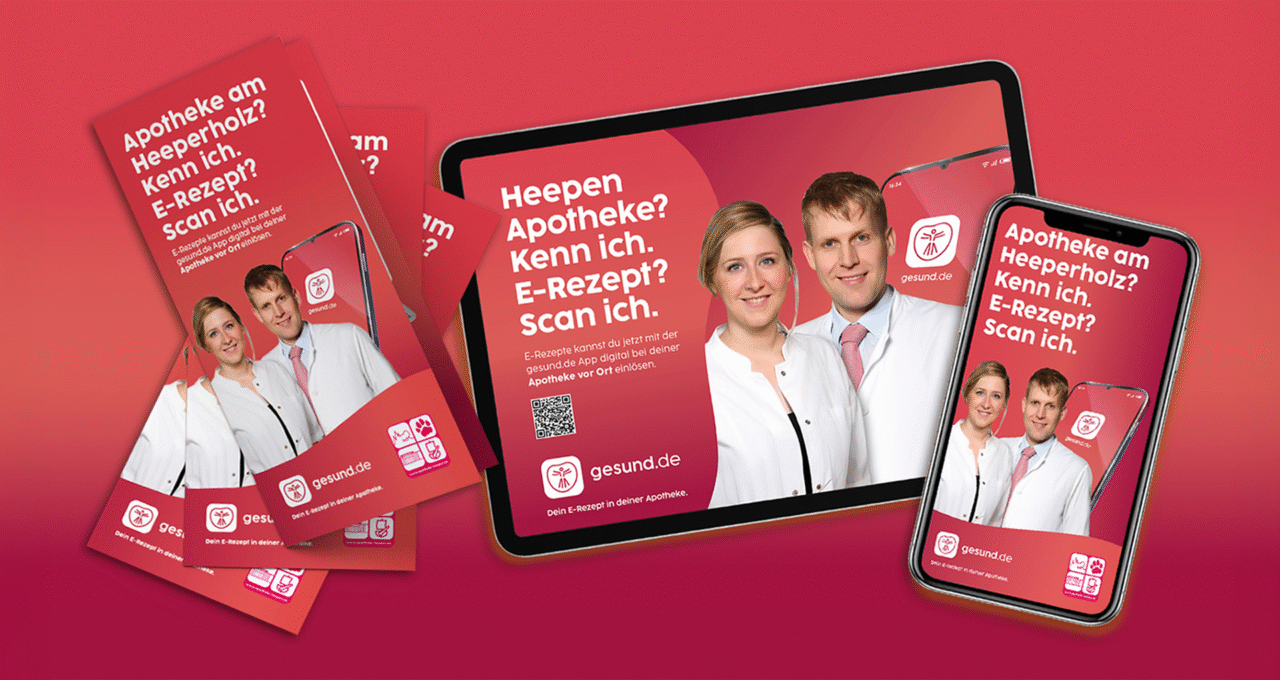
Local Pharmacies Move into the Spotlight
gesund.de is elevating the local presence of community pharmacies and demonstrating how digital reach and personal in-store service can reinforce one another. The new Joint Marketing Campaign actively involves around 30 pharmacies in its development and execution.