

Tuesday, October 6, 2026
OpenAI tests visual ads in ChatGPT image generation
OpenAI is moving ChatGPT further into advertising. From October 2026, a U.S. pilot will test visual display ads around image generation results. The ads are expected to appear next to generated images, carry clear labels and remain separate from the creative output.
For pharma and healthcare marketers, the test matters because it points to a new AI-native environment between search, assistance, inspiration and content creation. Visual use cases such as mood boards, product ideas or service scenarios could become new media moments. At the same time, brand safety, context controls and regulatory transparency remain critical.
Ads next to the image, not inside it
According to the available information, OpenAI plans to keep ads separate from the generated image. The format is described as a visual placement that can show products in use, related experiences or service-led inspiration. Ads will be labelled.
OpenAI also says advertising will not influence ChatGPT’s answers. User acceptance will depend on execution. Open questions include the size of the ad units, how often they appear, where exactly they are placed and how closely they are linked to the user’s prompt or session context.
The U.S. test will start with a limited group of advertisers. Supplementary material also indicates that ads have already been running in 31 European countries for users of the free version and Go. Plus, Pro and Enterprise subscribers are said not to see them.
Measurement partners signal a larger ad stack
OpenAI has named a wide group of measurement and attribution partners. They include AppsFlyer, Triple Whale, Adjust, Rockerbox, Northbeam, Branch, Singular, Kochava, Airbridge and Tenjin. Data integrations are expected through Hightouch, Tealium and LiveRamp.
For broader performance analysis, OpenAI lists Fospha, Measured and INCRMNTAL. Geo-based incrementality work is also planned with Haus, Measured and WorkMagic. Brand-suitability pilots involve DoubleVerify and Integral Ad Science.
This makes the project look less like a small format experiment and more like the early structure of a full advertising ecosystem. For healthcare brands, that is important. Regulated categories need reliable measurement, clear separation between content and ads, and independently testable brand-safety standards.
Europe adds Digital Services Act pressure
The European context is especially relevant. Supplementary information states that the European Commission designated ChatGPT as a very large online search engine under the Digital Services Act at the end of August. The designation was based on a reported 159.1 million monthly users in the EU.
Additional obligations are expected to apply from January. These include a public ad repository showing information such as advertisers, runtime, targeting parameters and reach. For companies in regulated industries, this could improve traceability. It could also make campaign decisions more visible to regulators, competitors and the public.
The supplementary material also says OpenAI plans to use guardrails before serving ads. These guardrails are intended to assess whether a conversation is emotionally vulnerable, sensitive or otherwise unsuitable for an ad. For health communication, that distinction is essential because medical topics often involve vulnerable situations.
A new channel with unresolved questions
For pharma and healthcare marketing, ChatGPT Ads are not yet a standard channel. They are, however, an important signal. AI assistants are evolving from answer engines into commercial environments with media inventory, measurement tools and brand-safety vendors.
Several questions remain open. It is not yet clear which industries and product categories will be allowed in early phases, how strictly sensitive health contexts will be excluded or whether independent audit results will be published. It is also unclear whether targeting will eventually use conversational context more directly.
For healthcare advertisers, the decisive issue will be whether transparency, ad separation and protection of vulnerable users can be verified in practice. Only then can the market judge whether ChatGPT Ads will become more than an experimental touchpoint for regulated communication.
Related articles
AbbVie teams up with Valkai on AI for clinical development
AbbVie is partnering with Valkai to apply AI in targeted clinical development areas and support faster insight generation.

Thieme plans to acquire Relias Learning
Thieme plans to acquire Relias Learning from Bertelsmann and expand digital education, compliance and training management for care providers.
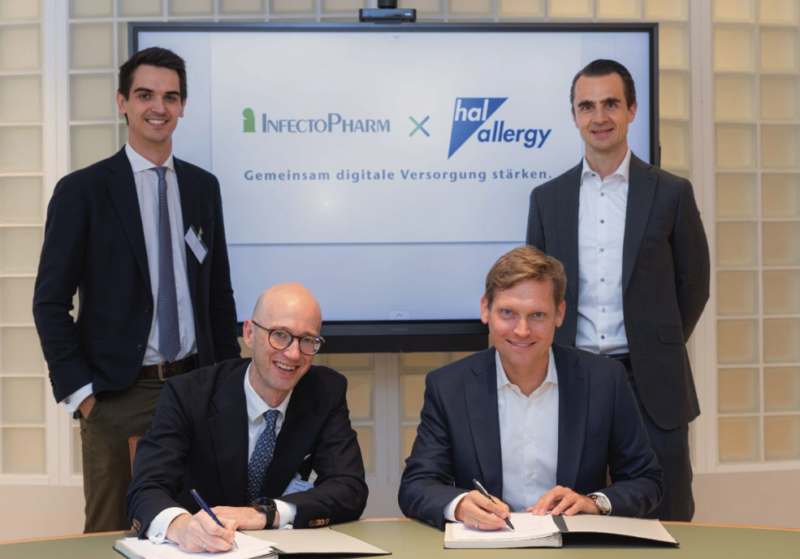
HAL Allergy and InfectoPharm partner on ENT DiGAs
HAL Allergy and InfectoPharm have formed a multi-year DiGA partnership. The first focus is Meine Tinnitus App for ENT practices in Germany.

SBK calls for digital appointment management in healthcare
A YouGov survey for SBK highlights demand for digital appointment access. The insurer has integrated 116117 into its app.

Ads in ChatGPT: What pharma marketers need to know
OpenAI plans ads in ChatGPT. Pharma marketers may gain new HCP and awareness options, but privacy and policy limits are central.
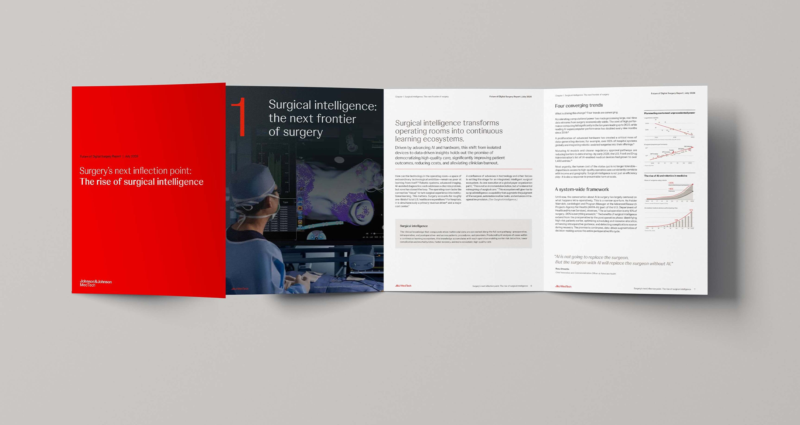
Johnson & Johnson publishes report on surgical intelligence
Johnson & Johnson’s new report outlines how connected data, AI and governance could shape the next stage of digital surgery.

From Anonymous Clicks to Connected HCP Journeys: Why Integrated SSO Matters in Pharma Marketing
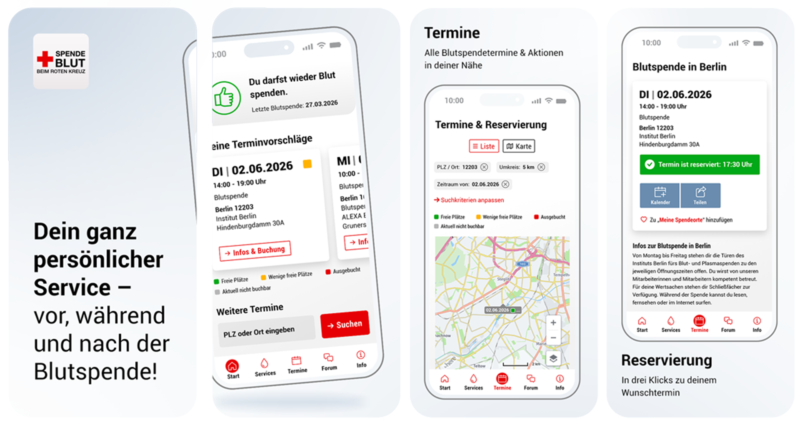
German Red Cross blood donation services present digital donor service 2.0
The German Red Cross blood donation services have introduced donor service 2.0, a digital tool designed to support blood donors.