

Monday, December 1, 2025
Servier Germany Launches the Information Platform “Life with Glioma” for People with Low-Grade, IDH-Mutated Gliomas
A glioma diagnosis profoundly changes the lives of patients and their families. In response to the growing need for reliable information and support, Servier Germany has launched “Life with Glioma” – a digital resource that provides trustworthy, scientifically validated information presented in an accessible way, guiding users along every step of their disease journey.
Gliomas are rare tumors of the central nervous system. Particularly for low-grade, IDH-mutated gliomas, there is a high demand for orientation and clarity: Which diagnostic steps are required? What is the role of molecular testing? And which therapeutic options are available? This new platform answers these questions in a structured and comprehensible manner, closing a significant gap in the German-speaking information landscape.
The website was developed in co-creation with a patient organization and scientifically supported by Prof. Dr. Martin Glas (Neuro-Oncology, St. Marien Hospital Lünen). His expertise focuses on the importance of molecular tumor profiling. Today, factors such as IDH status and the presence of a 1p/19q codeletion are key determinants in therapy selection and prognosis. “Life with Glioma” explains these diagnostic components clearly and demonstrates how they shape individualized treatment plans.
Website Structure and Key Content
Basic Knowledge:
The platform explains what gliomas are, which symptoms may occur, and how imaging modalities such as MRI, CT, or PET contribute to an accurate diagnosis. Clear visuals help users navigate their first medical discussions.
Diagnosis and Classification:
The WHO 2021 classification for diffuse gliomas is summarized in detail. Molecular markers such as IDH and 1p/19q are highlighted for their role in prognostic assessment and treatment planning.
Therapeutic Options:
All current treatment approaches are outlined – from “watch & wait” strategies to radiation therapy, chemotherapy, and targeted treatments for IDH-mutated tumors. TTFields, used primarily in glioblastoma, are also described.
Interdisciplinary Care Team:
The platform illustrates the collaborative approach within modern neuro-oncology: neurosurgery, oncology, psycho-oncology, physiotherapy, and other specialties work together in tumor boards to formulate personalized treatment recommendations.
Follow-Up Care and Prognosis:
Users learn how regular check-ups, rehabilitation, and continuous long-term support can help extend life while preserving quality of life.
Life with Glioma:
Practical guidance covers everyday aspects such as nutrition, exercise, work, travel, family planning, and preventive measures.
Service & Downloads:
Checklists, question guides for physician discussions, second-opinion information, a glossary, and contacts such as the German Cancer Research Center (DKFZ) and German Cancer Aid complete the offering.
Daniela Luber, Medical Advisor/Patient Engagement at Servier Germany, describes the platform’s mission: “After a brain tumor diagnosis, patients are confronted with a flood of information. With ‘Life with Glioma,’ we want to provide reliable orientation and practical support.”
Related articles

More Responsibility for Health: Majority Calls for “Health” as a School Subject
A representative survey shows that the majority of people in Germany want to take active responsibility for their health – but are calling for more knowledge and a dedicated school subject on health.
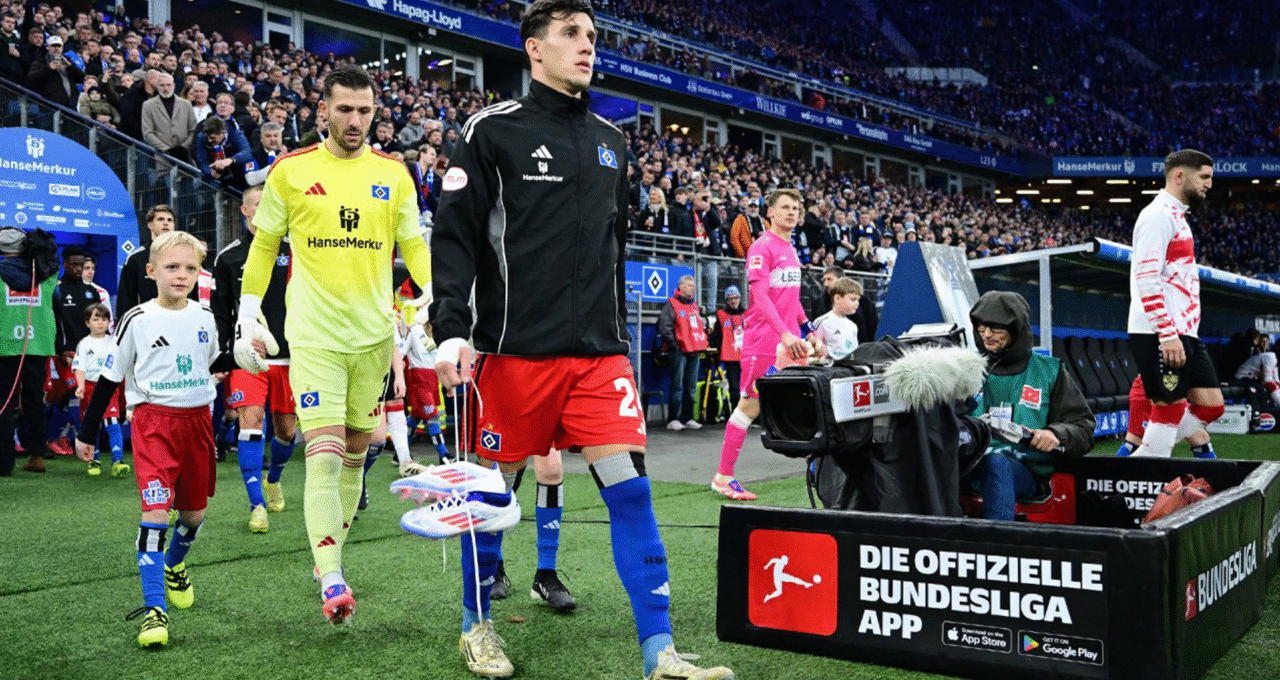
HSV Takes a Stand for ME/CFS
During their home match against VfB Stuttgart, HSV put the spotlight on ME/CFS. Together with “Empty Stands”, the club sent a strong message for visibility and solidarity.

Maria Clementine Martin Award 2026 Launched
To mark its 200th anniversary, the Klosterfrau Group will present the Maria Clementine Martin Award 2026 to visionary female founders shaping the future of healthcare.
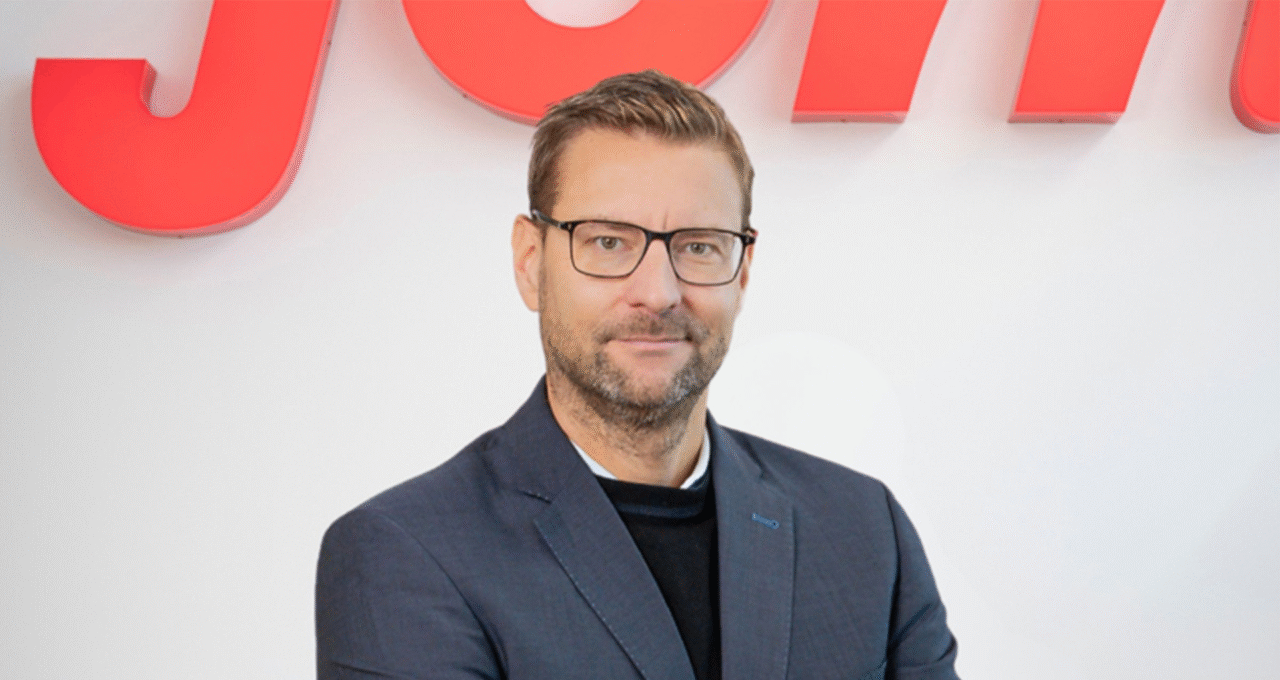
Advertising Market 2026: Germany Faces Another Year of Stagnation
According to the latest JOM forecast, the German advertising market is expected to see almost no growth in 2026. Digital platforms continue to accelerate the structural shift.
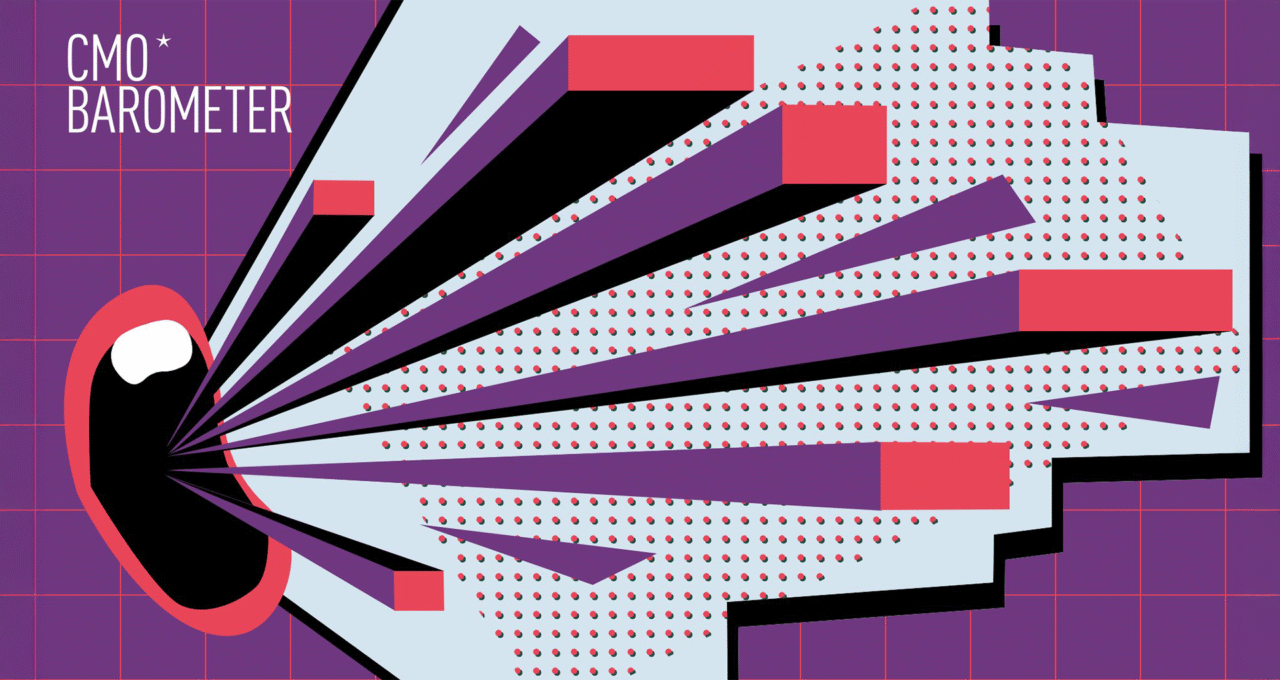
Adapt – or Die! CMOs Bet on AI in 2026
AI becomes the defining leadership priority for marketing in 2026. The new CMO Barometer reveals how artificial intelligence reshapes roles, systems, and decision-making.

SoVD Survey Reveals Declining Trust in Elderly Care
A new SoVD survey shows a significant loss of trust in long-term care policy: Only about one in ten expects good care, while nearly 80 percent support a citizens’ long-term care insurance model.

“Plan B from Now On”: New Podcast Supports Families of Seriously Ill Children
The new podcast “Plan B from Now On” accompanies families with seriously ill or disabled children and sheds light on their daily challenges, their strength, and the need for greater societal support. Hosted by Katrin Eigendorf and Dr. Eckart von Hirschhausen.
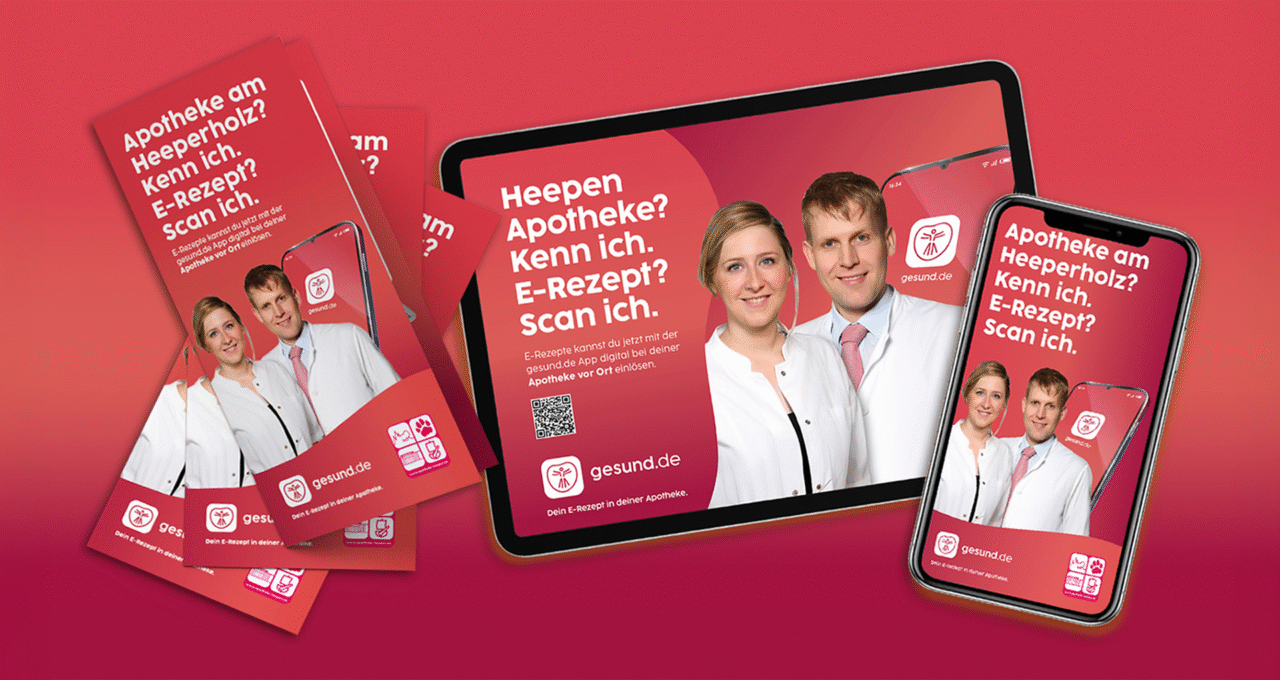
Local Pharmacies Move into the Spotlight
gesund.de is elevating the local presence of community pharmacies and demonstrating how digital reach and personal in-store service can reinforce one another. The new Joint Marketing Campaign actively involves around 30 pharmacies in its development and execution.