

Wednesday, January 28, 2026
Germany Can Be Healthy – and Wants More: Why a “Health” School Subject Could Be Key to a Long, Self-Determined Life
At the start of the year, many people resolve to do more for their health – and the willingness to act has never been greater. A representative YouGov survey commissioned by HanseMerkur Health Insurance shows that 75 percent of people in Germany are convinced that health is not a given, but requires active effort. More than half (52 percent) already pay conscious attention to their well-being, while still seeing room for improvement. Another 21 percent have not yet been active but are motivated to change.
These figures clearly demonstrate that the desire to take responsibility for a long, healthy, and self-determined life is firmly rooted in society – giving new momentum to prevention and health awareness.
Knowledge as the Key to Better Health
Motivation alone, however, is not enough. Anyone who wants to actively improve their health needs sound knowledge. Currently, only about half of respondents (51 percent) feel sufficiently informed to take responsibility for their own health. In addition, many underestimate the impact of lifestyle choices: only 49 percent believe that their lifestyle has a greater influence on life expectancy than genetics – despite clear scientific evidence to the contrary.
It is therefore hardly surprising that 71 percent of respondents support the introduction of a dedicated “Health” school subject, aimed at teaching prevention, mental resilience, and healthy living skills from an early age.
“Our survey clearly shows that Germany wants to be healthy and understands that this requires action,” says Eberhard Sautter, CEO of HanseMerkur. “Health is not a gift – it is a responsibility, and at the same time an investment in quality of life and longevity.”
Staying Healthy – for Yourself and Those You Love
The motivation for a healthy lifestyle is largely long-term in nature. Fifty-two percent of respondents want to grow old in good health – a core principle of the longevity concept. Forty-one percent say they pay attention to their health because they can feel the positive effects in their daily lives. More than one third (34 percent) want to remain vital and capable primarily for their family and friends.
Healthy Habits Are Common – but Barriers Remain
In everyday life, many people already focus on health-promoting habits. Not smoking (62 percent), getting enough sleep (55 percent), regular physical activity (54 percent), and a balanced diet (50 percent) are top priorities. Notable gender differences emerge: women more frequently integrate mental health services and preventive check-ups into their routines, while men are more likely to prioritize sufficient sleep.
For both genders, the strongest motivation to live healthily comes from their personal environment. Family, friends, or partners are cited by 47 percent as the most important motivators – well ahead of physicians and medical professionals.
Despite strong health awareness, barriers remain. Lack of motivation (23 percent), time constraints (20 percent), and financial reasons (16 percent) are the most commonly cited obstacles. This makes one thing clear: health literacy must become more accessible, more understandable, and be taught from an early age.
Related articles

HSV Takes a Stand for ME/CFS
During their home match against VfB Stuttgart, HSV put the spotlight on ME/CFS. Together with “Empty Stands”, the club sent a strong message for visibility and solidarity.

Maria Clementine Martin Award 2026 Launched
To mark its 200th anniversary, the Klosterfrau Group will present the Maria Clementine Martin Award 2026 to visionary female founders shaping the future of healthcare.
Advertising Market 2026: Germany Faces Another Year of Stagnation
According to the latest JOM forecast, the German advertising market is expected to see almost no growth in 2026. Digital platforms continue to accelerate the structural shift.
Adapt – or Die! CMOs Bet on AI in 2026
AI becomes the defining leadership priority for marketing in 2026. The new CMO Barometer reveals how artificial intelligence reshapes roles, systems, and decision-making.

SoVD Survey Reveals Declining Trust in Elderly Care
A new SoVD survey shows a significant loss of trust in long-term care policy: Only about one in ten expects good care, while nearly 80 percent support a citizens’ long-term care insurance model.

New Website “Life with Glioma” Launched
With “Life with Glioma,” Servier Germany introduces a new, science-based information platform for individuals affected by low-grade, IDH-mutated gliomas. The website provides guidance from diagnosis through follow-up care.

“Plan B from Now On”: New Podcast Supports Families of Seriously Ill Children
The new podcast “Plan B from Now On” accompanies families with seriously ill or disabled children and sheds light on their daily challenges, their strength, and the need for greater societal support. Hosted by Katrin Eigendorf and Dr. Eckart von Hirschhausen.
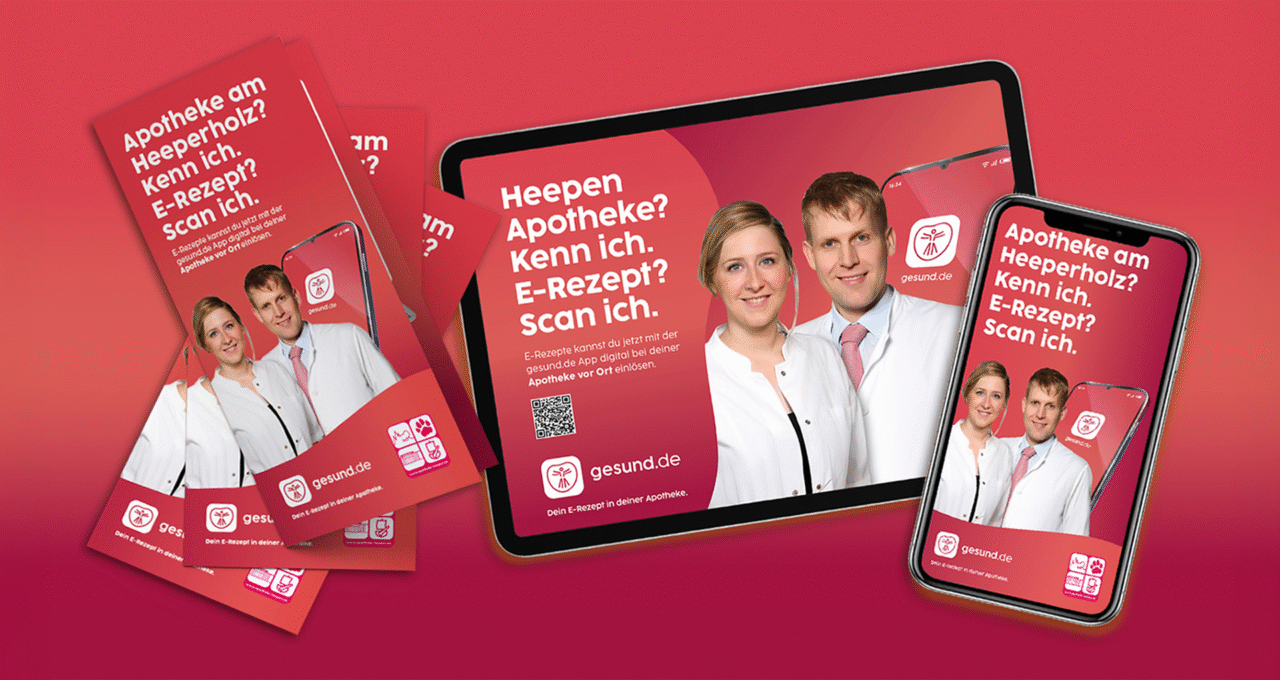
Local Pharmacies Move into the Spotlight
gesund.de is elevating the local presence of community pharmacies and demonstrating how digital reach and personal in-store service can reinforce one another. The new Joint Marketing Campaign actively involves around 30 pharmacies in its development and execution.