
Tuesday, July 28, 2026
Guardoc uses Amazon Nova for clinical document workflows
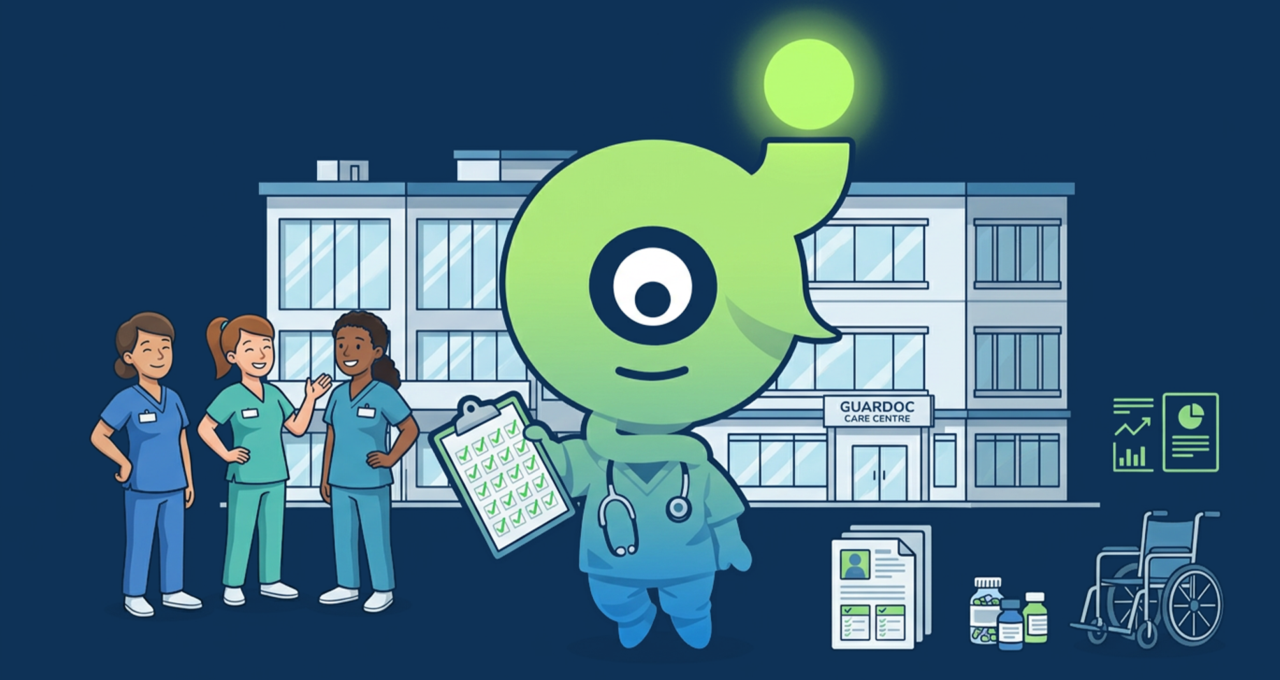
Guardoc Health is using Amazon Nova models, available through Amazon Bedrock, to support clinical document processing in long-term care. The company aims to help skilled nursing and assisted living providers analyze diverse records faster, identify relevant clinical information and reduce documentation risk.
The use case addresses a common operational burden in care facilities. Teams must review PDFs, scanned forms, handwritten notes, tables, checkboxes and mixed-format pages. Inaccurate or missing documentation can affect clinical decisions, reimbursement and compliance.
A staged pipeline for difficult records
Guardoc combines several AWS services in a structured workflow. Amazon Textract first extracts text, handwriting, forms, tables and layout data from source documents. The content is then divided into clinically meaningful sections, such as diagnoses, medication lists or physician notes.
Guardoc uses Amazon Titan Text Embeddings V2 and Amazon DynamoDB to support patient-scoped retrieval. A pre-filter narrows the material by document type, recency and patient context before relevant pages move further through the process.
Amazon Nova 2 Lite performs an initial text-based review to remove obvious non-matches. Remaining pages are then passed to Amazon Nova Pro, which analyzes visual context including page structure, handwriting, stamps, signatures and checkbox states. Guardoc says every classification can be traced back to a specific source page.
Handwriting, forms and medication extraction
One major application is medical condition classification from patient files. Guardoc uses Retrieval Augmented Generation, drawing evidence from a patient’s own documentation before producing a classification.
Multimodal processing is particularly important for forms that include handwriting or checkboxes. On prior authorization forms, handwritten physician notes can change the meaning of printed fields. Patient-reported symptoms may also appear only in freehand sections, making them easy to miss in conventional workflows.
For medication extraction, Guardoc pairs Textract with Amazon Nova Pro. Textract handles structured tables and printed lists, while Nova Pro is used for more complex scenarios such as wrapped table columns, handwritten additions, non-standard formats and medication references embedded in physician notes.
Reported facility impact
Guardoc reports a 46 percent reduction in documentation errors, 70 percent fewer audit fines and more than $400,000 in annual ROI for a single facility. In a quarterly deployment across two facilities and 200 patients, the company recorded 847 documentation corrections and 86 issues linked to the Patient-Driven Payment Model. It also reported a 74 percent reduction in hospital transfers per 100 admissions.
In a broader case study covering seven facilities and 1,618 residents, Guardoc identified 10,612 issues. The company says this gives operators better visibility into facility-level risk before problems surface through denied claims or audits.
Further clinical workflow modules planned
Guardoc’s roadmap includes AI NoteAssist, MDSAssist, CarePlanAssist, AdmissionAssist and Pharmacy Reconciliation. These modules are intended to support documentation, care planning, admissions and medication reconciliation within electronic health record workflows.
For healthcare organizations, the case highlights that AI document processing depends on more than model selection. Production use requires testing on real document types, separate measurement of recall and precision, and confidence thresholds that reflect the clinical, financial and compliance impact of different error types.
Related articles
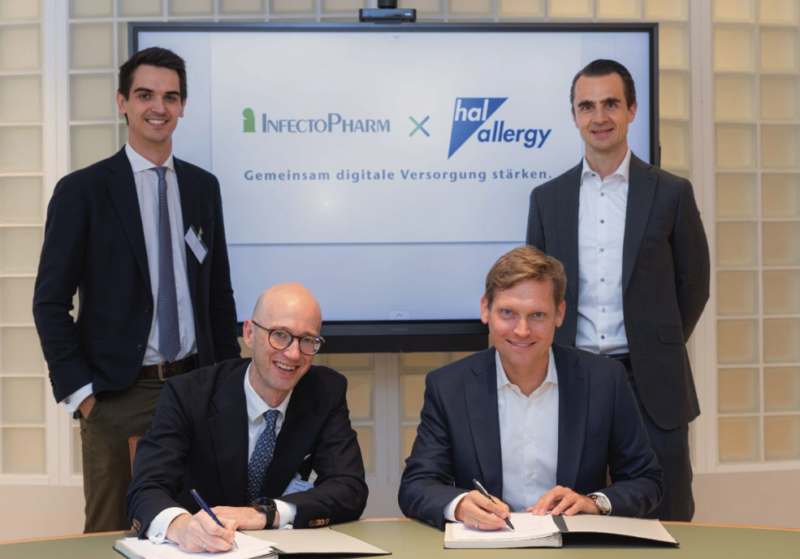
HAL Allergy and InfectoPharm partner on ENT DiGAs
HAL Allergy and InfectoPharm have formed a multi-year DiGA partnership. The first focus is Meine Tinnitus App for ENT practices in Germany.

SBK calls for digital appointment management in healthcare
A YouGov survey for SBK highlights demand for digital appointment access. The insurer has integrated 116117 into its app.
Ads in ChatGPT: What pharma marketers need to know
OpenAI plans ads in ChatGPT. Pharma marketers may gain new HCP and awareness options, but privacy and policy limits are central.
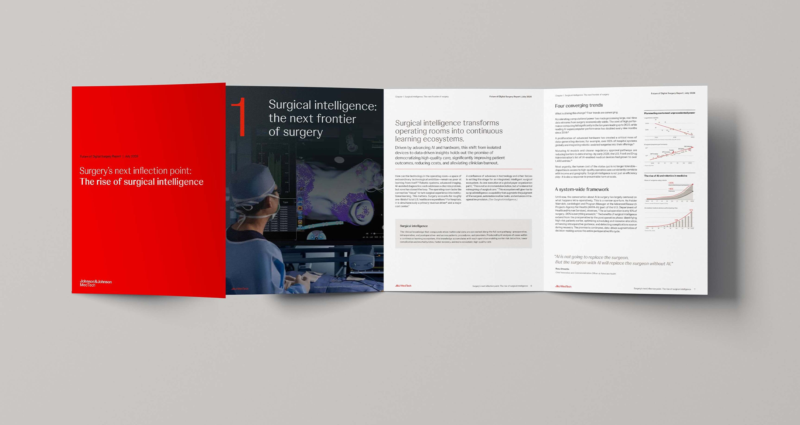
Johnson & Johnson publishes report on surgical intelligence
Johnson & Johnson’s new report outlines how connected data, AI and governance could shape the next stage of digital surgery.

From Anonymous Clicks to Connected HCP Journeys: Why Integrated SSO Matters in Pharma Marketing
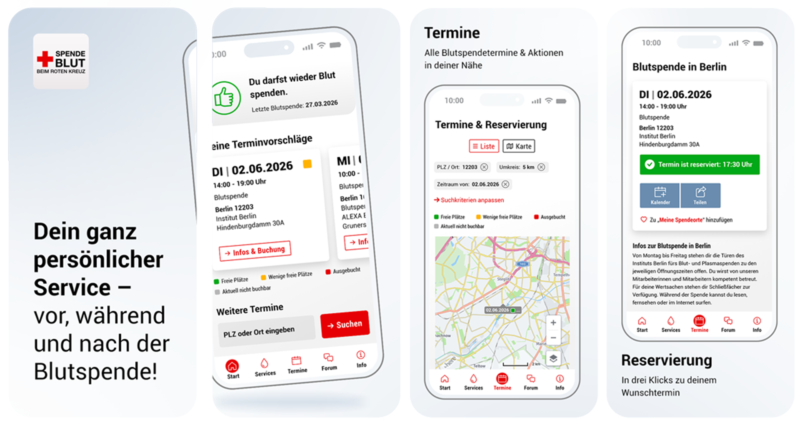
German Red Cross blood donation services present digital donor service 2.0
The German Red Cross blood donation services have introduced donor service 2.0, a digital tool designed to support blood donors.
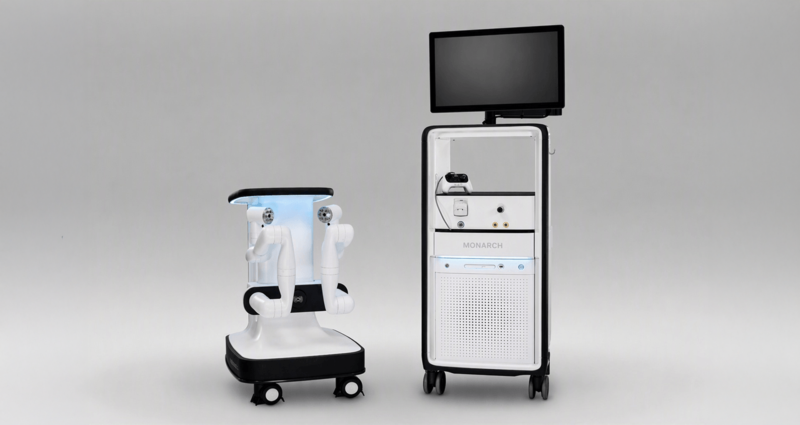
Johnson & Johnson launches MONARCH platform in the Middle East
Johnson & Johnson reports the first Middle East use of its MONARCH platform for robotically assisted bronchoscopy at Cleveland Clinic Abu Dhabi.
Nia Health and AbbVie Germany collaborate on AI-supported atopic dermatitis care
Nia Health and AbbVie Germany are collaborating on an AI-supported care offering for atopic dermatitis patients and treating physicians.