

Monday, December 1, 2025
COPD in Germany: Why Early Diagnosis Matters and Which Measures Are Needed Across Policy, Medicine, and Industry
COPD is one of the world’s most common yet underestimated respiratory diseases, affecting an estimated seven million people in Germany—often without a confirmed diagnosis. To raise awareness, the Global Initiative for Chronic Obstructive Lung Disease (GOLD) is spotlighting the importance of early assessment on this year’s World COPD Day on November 19 under the motto “Short of Breath, Think COPD.” AstraZeneca is likewise committed to strengthening care structures across the full patient journey.
Nonspecific symptoms complicate early diagnosis
Years may pass between the onset of initial symptoms and a clear diagnosis. The typical key symptoms – shortness of breath, coughing, and sputum – are often mild in early disease stages and therefore frequently dismissed. The underlying cause is chronic inflammation of the airways, which progressively narrows them.
However, shortness of breath can have many causes, including asthma, pulmonary hypertension, and cardiac conditions. Distinguishing between asthma and COPD is often clinically challenging. In individuals over 40, a combination of exertional dyspnea, tightness in the chest, and wheezing may indicate COPD. Additional potential indicators include fatigue, weight loss, muscle loss, and decreased appetite. Diagnosis is based on symptom assessment, risk factors, and spirometry.
COPD can affect anyone
A persistent misconception is that COPD is exclusively caused by smoking. While smoking is indeed a major risk factor, up to 30 percent of patients have never smoked. Environmental factors such as fine dust or chemical pollutants, climate-related impacts, genetic predispositions, or even premature birth can also contribute to disease development.
According to health policy decision-makers, public lack of awareness negatively impacts care. Without broad understanding, political measures to improve COPD management often lack societal support. Yet action is urgently needed: around 40 percent of patients reduce their working hours or quit their jobs due to the disease, and COPD is among the three leading causes of death worldwide.
Advancing modern, guideline-based therapy
AstraZeneca is actively working to improve COPD care. The company partners with the international “Speak Up for COPD” campaign and is a founding member of the “Decade of the Lung,” both dedicated to raising political priority, improving diagnostics, and advancing quality of care.
Guideline-based therapy targets three central goals: optimal symptom control, prevention of exacerbations, and reduction of mortality. Regular monitoring and adaptive treatment strategies are essential, as COPD remains incurable. AstraZeneca therefore advocates for every patient to receive the most appropriate individualized therapy.
Related articles

GSK agrees to acquire 35Pharma, adding pulmonary hypertension asset HS235
GSK has agreed to acquire Canada’s 35Pharma for $950m in cash, gaining HS235, an activin signalling inhibitor being developed for pulmonary hypertension.

Novo Nordisk partners with Vivtex on oral biologics
Novo Nordisk and Vivtex will work on oral biologics for obesity and diabetes. Vivtex is eligible for up to US$2.1 billion plus tiered royalties.
Merck reshapes business ahead of Keytruda patent expiry
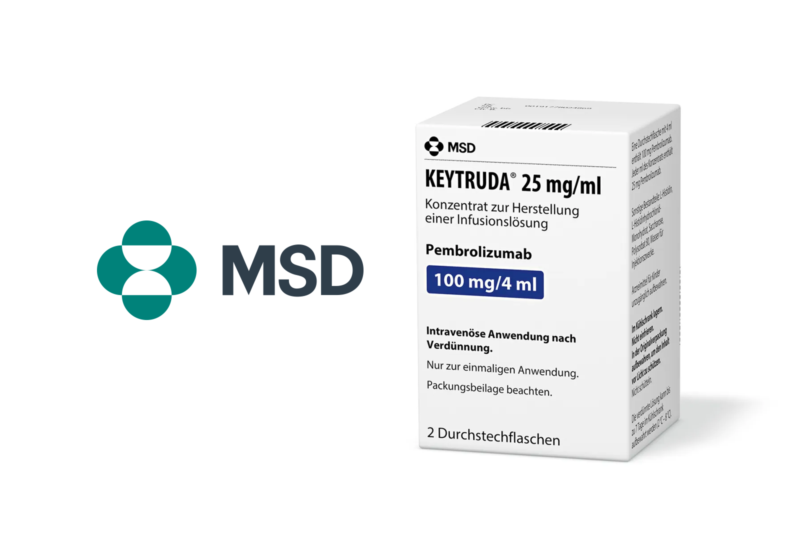
Merck & Co. is splitting operations into two divisions to prepare for Keytruda’s 2030 patent expiry and to broaden its portfolio.

medac Group exits diagnostics business to focus on pharma
medac Group is divesting its diagnostics activities via a management buy-out to focus on pharma. The business will continue as mevida Diagnostika.

Hameln to host second nursing congress on the future of care
Sana Klinikum Hameln-Pyrmont will host the “Pflege bewegt” nursing congress on 16 April 2026 in Hameln, focusing on future nursing practice.

DMEA sparks Award 2026 opens call for digital health theses
DMEA has opened applications for the sparks Award 2026, honouring bachelor’s and master’s theses on healthcare digitalisation. Deadline: 31 January 2026.

WEFRA MEDIAPLUS GLOBAL HEALTH Sets New Standards in Healthcare Media
With WEFRA MEDIAPLUS GLOBAL HEALTH, Mediaplus Group and WEFRA LIFE GROUP combine their strengths to deliver scalable, international healthcare campaigns. The joint venture connects global strategies with strong local execution.

New care concept strengthens outpatient follow-up for cardiac patients
Novartis Germany and the Ambulatory Heart Center Kassel are launching a new outpatient care concept to support structured follow-up care for cardiac patients, with a focus on LDL cholesterol. The goal is to sustainably reduce risk factors through standardized treatment pathways.