
Friday, December 5, 2025
CMO Barometer 2026: How AI Is Rewriting the Marketing System and Why CMOs Are Becoming Drivers of Transformation
Adapt – or die! The CMO Barometer 2026 makes one thing unmistakably clear: no transformation of the past decades has reshaped marketing as profoundly as Artificial Intelligence. Roles, responsibilities, processes, and decision-making frameworks are being rewritten – so fundamentally that AI can no longer be viewed as a trend but as the operating system of a new marketing era. The Serviceplan Group, the University of St. Gallen (HSG), and Heidrick & Struggles surveyed 805 marketing leaders across 15 countries to create a comprehensive outlook for the marketing year 2026.
The year 2025 has been characterized by constant transformation. Geopolitical uncertainty, volatile markets, and rapid technological advancements are challenging businesses across industries. AI is not just transforming processes; it is shifting mindsets and organizational structures. As a result, marketing gains strategic importance as the interface between market, brand, and people.
The study shows that 51 percent of CMOs expect economic conditions to remain stable in 2026, while 29 percent anticipate a downturn. Optimism continues to decline across regions, with Middle East remaining the only notable exception. Budget expectations reflect this cautious sentiment as well: while 32 percent foresee an increase in marketing budgets, 30 percent expect budget cuts.
The core finding, however, stands above all: AI is the defining issue for 68 percent of CMOs in 2026. Its relevance continues to rise, and nearly all other key topics – brand building, personalization, efficiency – are framed through the lens of AI. Efficiency and integration (51 percent) as well as human–machine collaboration (20 percent) are considered the most critical aspects of implementation.
Consequently, the role of CMOs is shifting fundamentally. In 2026, they evolve into “Chief Transformation Officers.” For the first time, digital and tech competencies rank at the top of self-assessed skills (45 percent), followed by customer centricity (39 percent) and leadership (38 percent). The primary leadership responsibility lies in bridging vision and reality – and guiding organizations into an AI-driven future.
Agencies, too, face a clear mandate. Creativity (69 percent), innovation (61 percent), and proactive collaboration (54 percent) remain central expectations. Moreover, one-third of CMOs now expects agencies to support transformation processes. AI skills matter – but not as isolated expertise; they must be embedded into a modern, holistic agency model.
LinkedIn remains the top information source for CMOs (60 percent). Thought leaders, social voices, and expert insights are shaping the marketing knowledge ecosystem more than ever. Academia and practice must collaborate more closely – yet exchange must become more digital, accessible, and digestible.
The CMO Barometer 2026 highlights a decisive insight: those who lead the change will lead the market. AI is not merely modifying marketing – it is restructuring it. CMOs who act now will determine the future relevance and competitiveness of their organizations and the broader industry.
Related articles

More Responsibility for Health: Majority Calls for “Health” as a School Subject
A representative survey shows that the majority of people in Germany want to take active responsibility for their health – but are calling for more knowledge and a dedicated school subject on health.
HSV Takes a Stand for ME/CFS
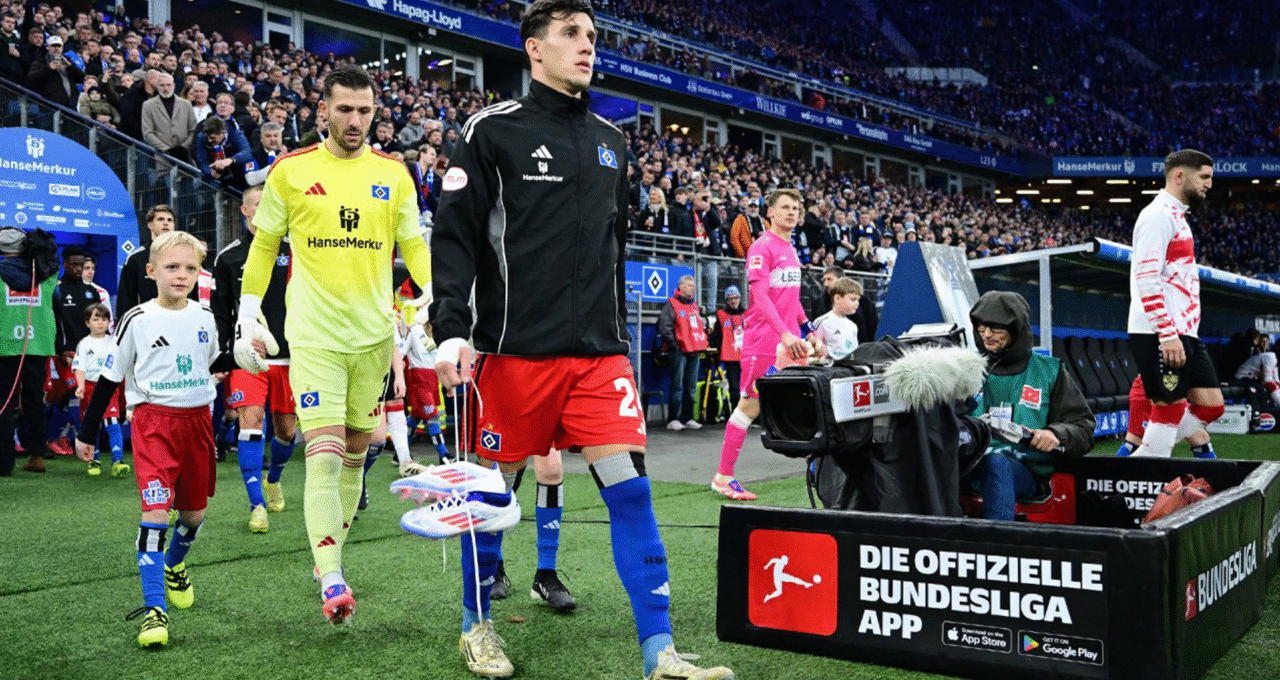
During their home match against VfB Stuttgart, HSV put the spotlight on ME/CFS. Together with “Empty Stands”, the club sent a strong message for visibility and solidarity.
Maria Clementine Martin Award 2026 Launched
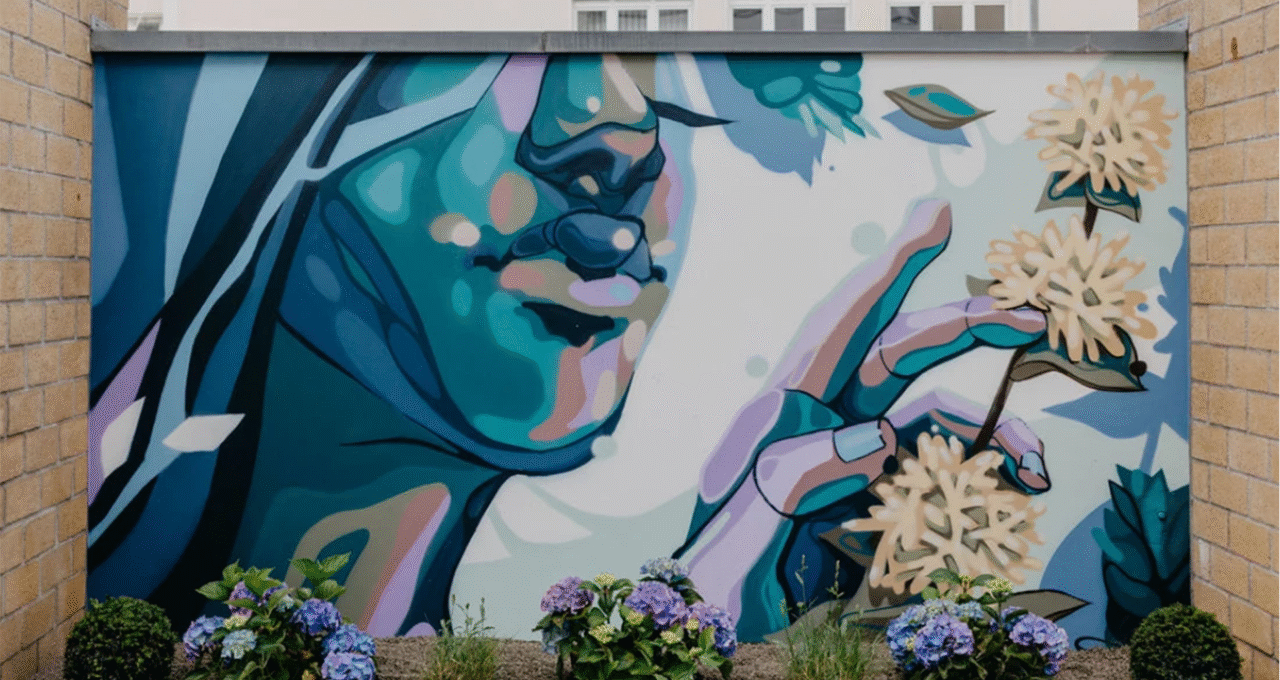
To mark its 200th anniversary, the Klosterfrau Group will present the Maria Clementine Martin Award 2026 to visionary female founders shaping the future of healthcare.
Advertising Market 2026: Germany Faces Another Year of Stagnation
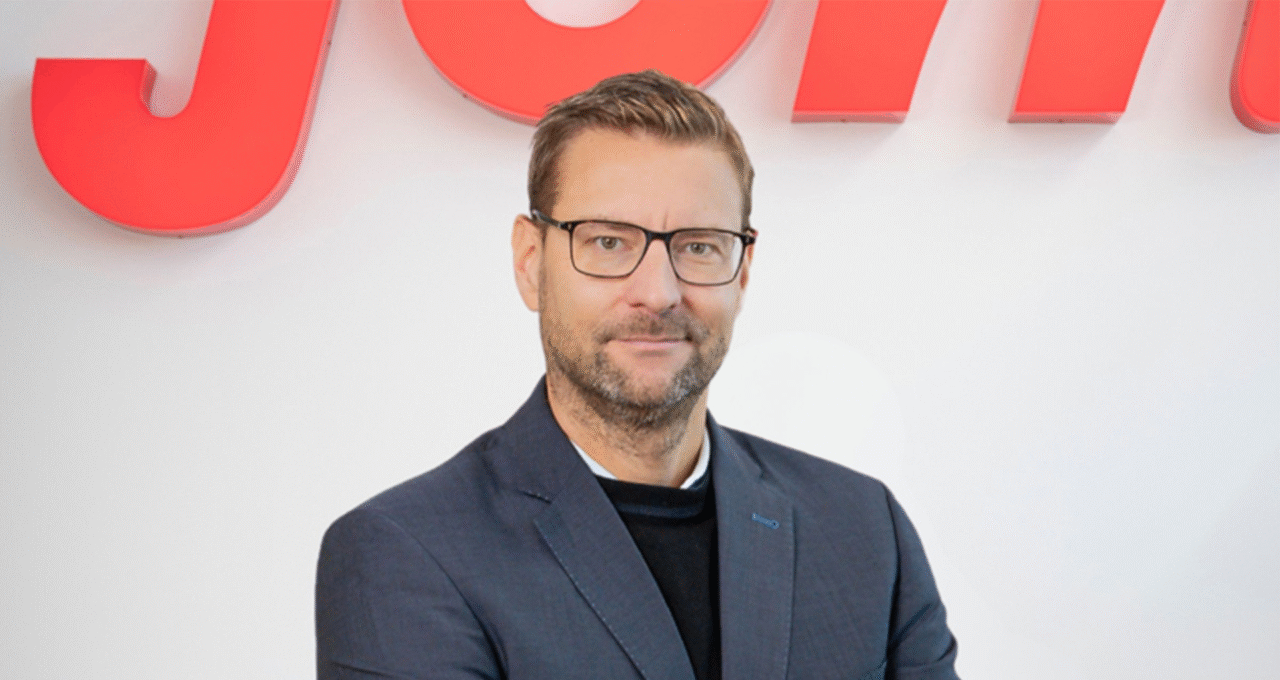
According to the latest JOM forecast, the German advertising market is expected to see almost no growth in 2026. Digital platforms continue to accelerate the structural shift.

SoVD Survey Reveals Declining Trust in Elderly Care
A new SoVD survey shows a significant loss of trust in long-term care policy: Only about one in ten expects good care, while nearly 80 percent support a citizens’ long-term care insurance model.

New Website “Life with Glioma” Launched
With “Life with Glioma,” Servier Germany introduces a new, science-based information platform for individuals affected by low-grade, IDH-mutated gliomas. The website provides guidance from diagnosis through follow-up care.

“Plan B from Now On”: New Podcast Supports Families of Seriously Ill Children
The new podcast “Plan B from Now On” accompanies families with seriously ill or disabled children and sheds light on their daily challenges, their strength, and the need for greater societal support. Hosted by Katrin Eigendorf and Dr. Eckart von Hirschhausen.
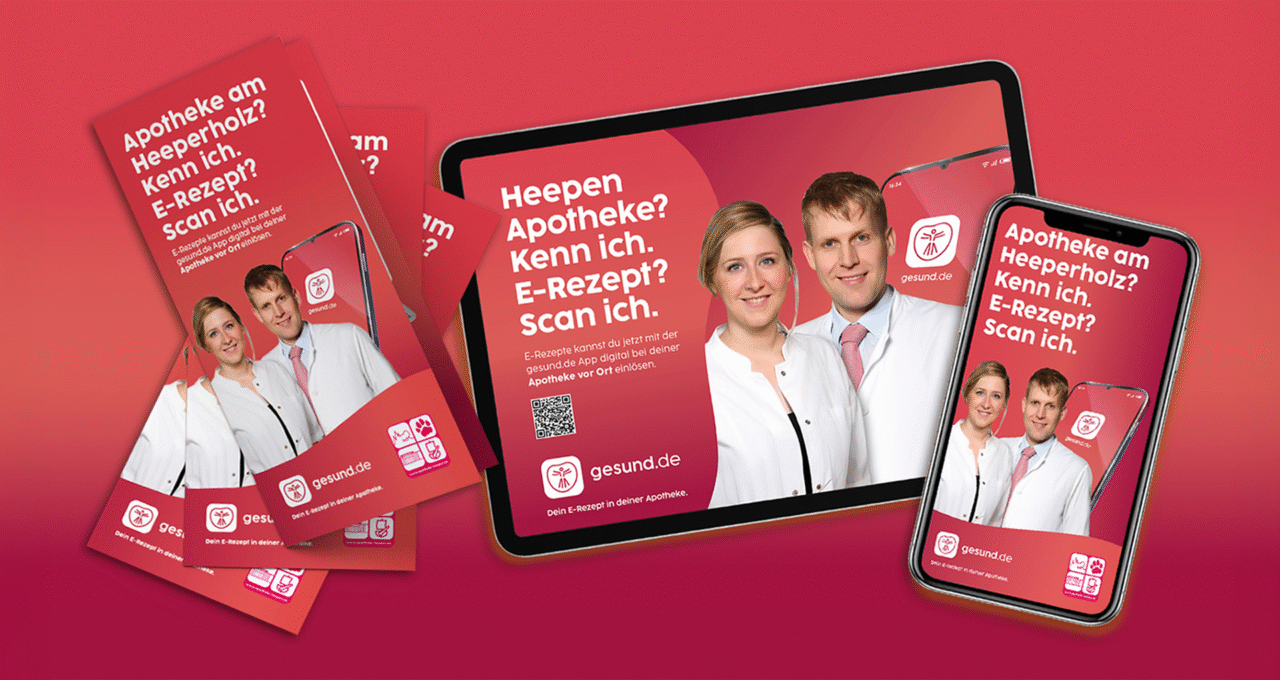
Local Pharmacies Move into the Spotlight
gesund.de is elevating the local presence of community pharmacies and demonstrating how digital reach and personal in-store service can reinforce one another. The new Joint Marketing Campaign actively involves around 30 pharmacies in its development and execution.